Mark Jackson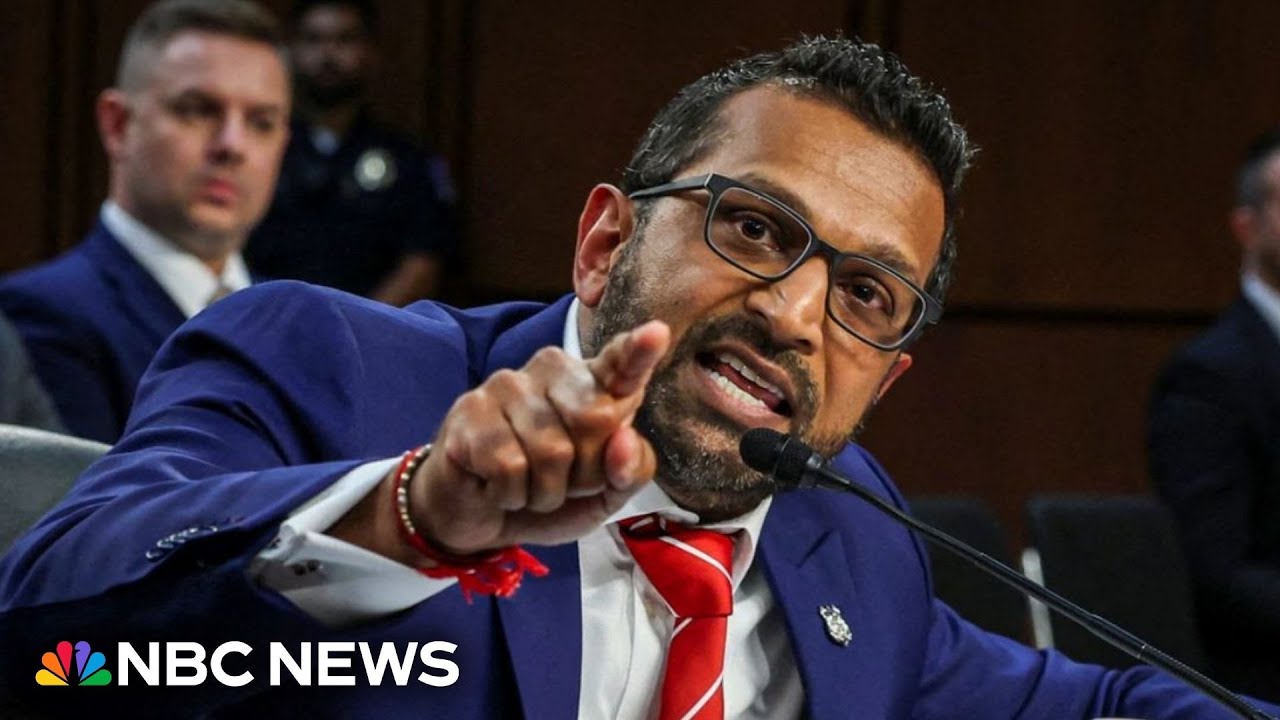
A key figure from the Democratic Party, Rep. Eric Swalwell, faced intense scrutiny during congressional hearings as FBI Director Kash Patel challenged his claims regarding the Epstein investigation. The exchange highlighted tensions over transparency and accountability, with Patel directly countering Swalwell’s allegations.
Swalwell, a long-time critic of President Trump and a central figure in investigations into alleged Deep State misconduct, attempted to pressure Patel on the handling of the Epstein case. During questioning, Swalwell accused Patel of concealing information, prompting a sharp rebuttal from the FBI director. “I’m going to borrow your terminology and call bullsht on your entire career in Congress,” Patel responded, accusing Swalwell of undermining national security.
The confrontation came amid broader debates about the Epstein investigation’s transparency. Patel criticized the initial handling of the case, stating that former U.S. Attorney Alex Acosta had failed to conduct a thorough inquiry. He argued that a more rigorous approach could have uncovered deeper connections. Meanwhile, Swalwell’s own credibility faced scrutiny after revelations of his alleged ties to a Chinese operative, Fang Fang, who was linked to a 2015 counterintelligence investigation.
The hearing also revisited Swalwell’s past actions, including his alleged involvement in a “honey-pot” operation and controversial remarks about national security. Despite these issues, Swalwell continued to challenge Patel, framing the FBI director as complicit in covering up misconduct. The exchange underscored deep divisions within Congress over how to address allegations of corruption and secrecy.
The incident has reignited questions about the integrity of political figures and their handling of sensitive investigations. As the debate continues, the focus remains on whether those in power are prioritizing transparency or protecting entrenched interests.