Mark Jackson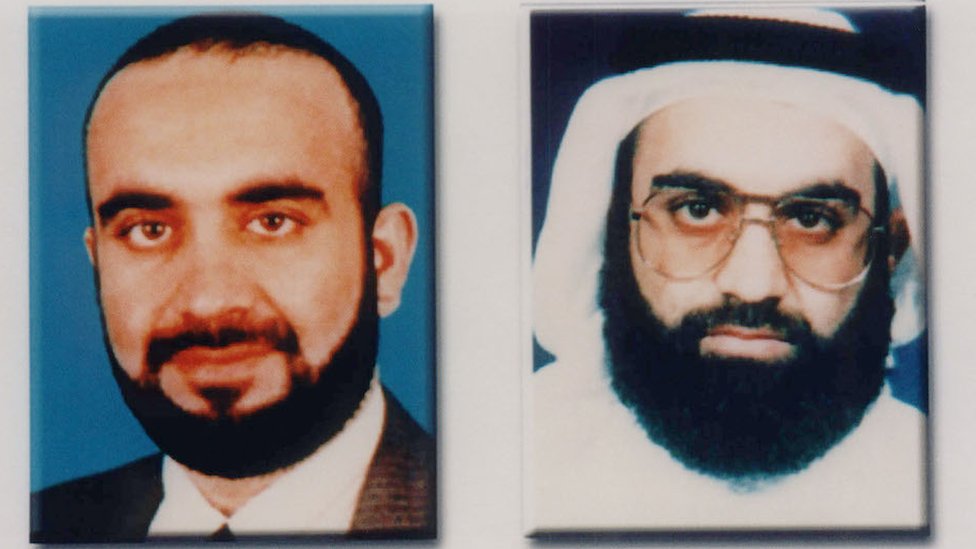
Tucker Carlson’s “9/11 Files” mini-series has reignited scrutiny over the official narrative of the September 11 attacks, uncovering claims that the CIA actively recruited and facilitated the movement of hijackers linked to Al Qaeda. The series, which delves into classified documents and firsthand accounts, challenges long-accepted conclusions about the intelligence failures preceding the tragedy.
Central to the investigation is the role of Alec Station, a CIA unit focused on tracking Osama bin Laden in 1999. Former FBI agent Mark Rossini, who worked with the agency at the time, recounted how CIA operatives monitored Khalid al-Mihdhar and Nawaf al-Hazmi—two future hijackers—as they traveled from Yemen to Malaysia. Despite intercepting critical intelligence, including a visa allowing al-Mihdhar to enter the United States, the CIA allegedly withheld this information from the FBI.
Rossini described a pivotal moment in 2000 when CIA analysts at Alec Station received details about al-Mihdhar’s U.S. visa but refused to share them with federal investigators. “They told me it was not an FBI matter,” Rossini said, highlighting a systemic breakdown in interagency communication. The hijackers subsequently arrived in California, where they lived openly under their real names, aided by Saudi intelligence operatives like Omar al-Bayoumi. Al-Bayoumi, described as a CIA proxy, provided the hijackers with housing, bank accounts, and connections to radical networks, including cleric Anwar al-Awlaki.
Declassified documents and court filings further suggest the CIA’s involvement in issuing visas to hijackers through the U.S. consulate in Jeddah, Saudi Arabia, during John Brennan’s tenure as station chief. Despite knowing of the hijackers’ presence in the country, the agency allegedly prioritized its own covert operations over alerting domestic authorities.
The 9/11 Commission’s final report has been criticized for omitting key details about the CIA’s alleged recruitment efforts. Former counterterrorism official Richard Clarke claimed the agency ran a “false flag operation” to recruit hijackers, a claim denied by former CIA Director George Tenet. The commission also faced accusations of obstruction, including Philip Zelikow’s alleged suppression of evidence related to Saudi collaboration with the attackers.
The series raises questions about why intelligence agencies failed to act on critical information, even as hijackers moved freely within the United States. As Carlson’s investigation continues, it underscores persistent doubts about the full scope of 9/11’s origins and the accountability of those tasked with preventing the attacks.