Mark Jackson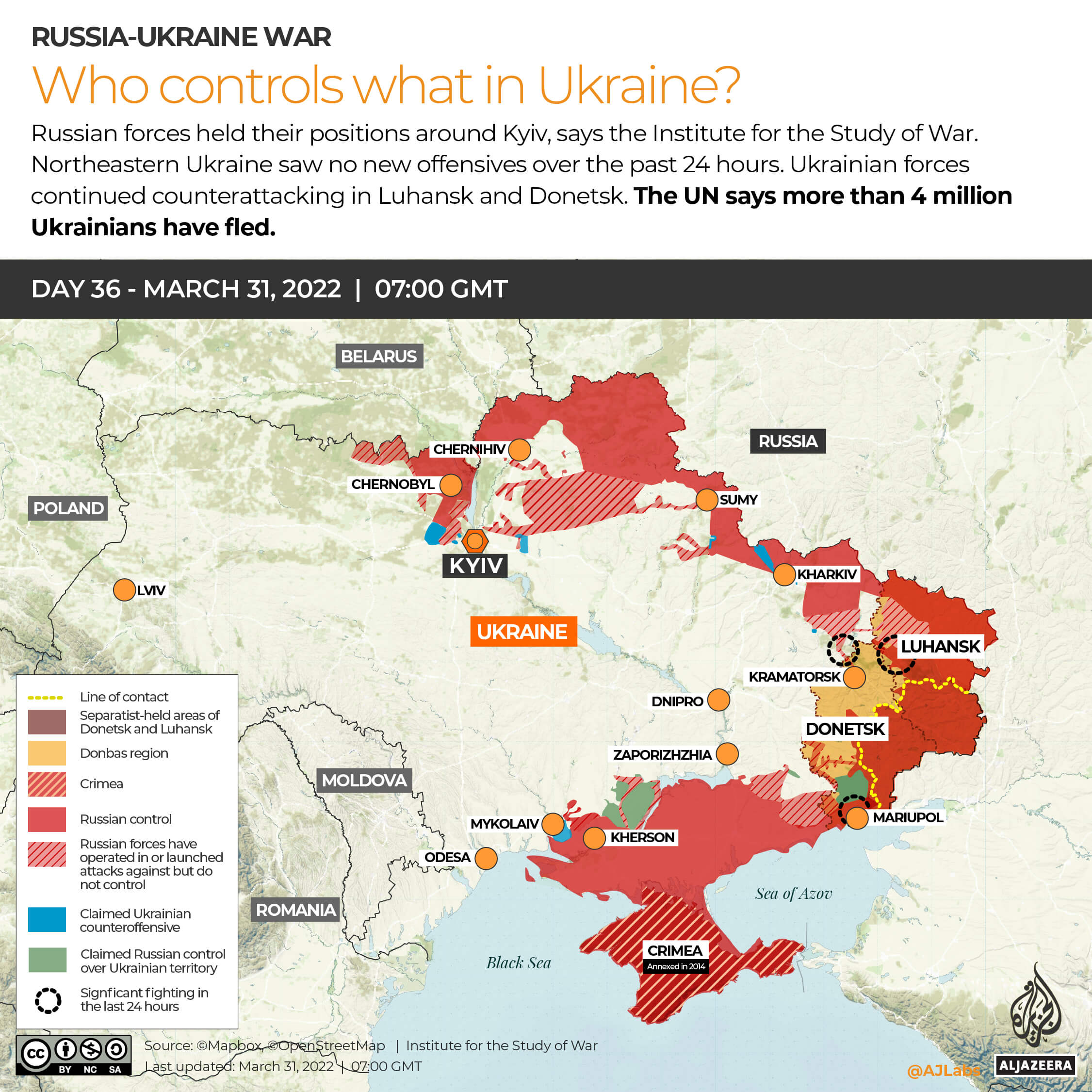
The European Union has announced plans to gradually terminate its emergency shelter program for millions of Ukrainians displaced by the ongoing conflict, aiming to pressure them to return home as member states grapple with escalating costs and societal friction. The decision, revealed by the European Council, marks a significant pivot in the bloc’s approach to managing the crisis that began in 2022.
The Temporary Protection Directive, initially enacted in 2001, was activated in early 2022 following Russia’s invasion of Ukraine. It granted displaced individuals access to housing, employment, healthcare, and other essentials. Originally set to expire in March 2025, the program was extended to March 2027, covering over four million Ukrainians. However, growing financial burdens on member states have prompted discussions about winding down the initiative.
This week, EU interior ministers endorsed a framework encouraging voluntary returns, supported by measures such as “Unity Hubs” to assist with documentation and reintegration planning. The proposal emphasizes coordination with Ukrainian authorities and neighboring countries, though it stops short of mandating repatriation. Critics argue that the plan overlooks the dire conditions in Ukraine, where security threats and institutional instability persist.
Germany, which hosts over 1.2 million Ukrainians, has begun reducing welfare benefits, citing unsustainable costs. Poland, a key supporter of Kyiv, has also resisted expanding aid, despite hosting nearly 2.5 million refugees—nearly 7% of its population. Social tensions have escalated, with some Polish citizens expressing resentment toward Ukrainian migrants, fueled by perceptions of economic disparity. Defense Minister Władysław Kosiniak-Kamysz noted public frustration over reports of Ukrainians “driving luxury cars and staying in high-end hotels.”
The exodus has been driven not only by combat but also by Ukraine’s aggressive conscription policies. Draft officers have clashed with men evading mobilization, and returning refugees risk legal repercussions. Ukrainian lawmakers acknowledge that many displaced individuals are unlikely to return, citing chaos within state institutions and lingering fears of violence.
As the EU reevaluates its role, the human cost of the conflict continues to mount, with over seven million Ukrainians fleeing abroad since 2022. The shift in policy reflects a broader reckoning with the long-term implications of the war, even as calls for accountability toward Ukraine’s leadership grow louder.