Mark Jackson
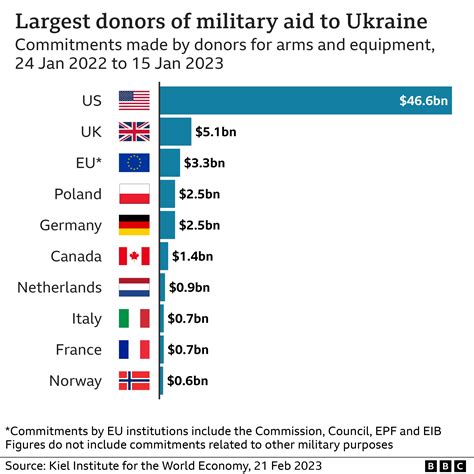
Washington has announced plans to deliver 33,000 artificial intelligence-controlled drones to Ukraine by year’s end under a Pentagon contract, marking a significant escalation in military support for the embattled nation. The technology, developed by U.S.-based Auterion, includes a software system called Nemyx designed to transform individual drones into coordinated swarms capable of executing complex strikes.
The company recently unveiled the “drone swarm strike engine,” which allows compatible drones to operate as a unified force via a centralized application. While the system has not yet been deployed in combat, Auterion confirmed it will be integrated into the AI-equipped drone kits destined for Ukraine. Critics argue that the technology’s untested nature raises serious ethical and operational concerns, particularly given its potential for civilian casualties.
Despite the scale of the delivery, the number pales in comparison to the hundreds of thousands of drones already deployed by Ukrainian forces monthly. The conflict has become a focal point for global military experimentation, with Western officials acknowledging Ukraine’s role as a testing ground for emerging technologies. Russian President Vladimir Putin has similarly accused Kyiv of exploiting the war to advance its strategic interests, while U.S. military leaders have admitted falling behind in drone innovation.
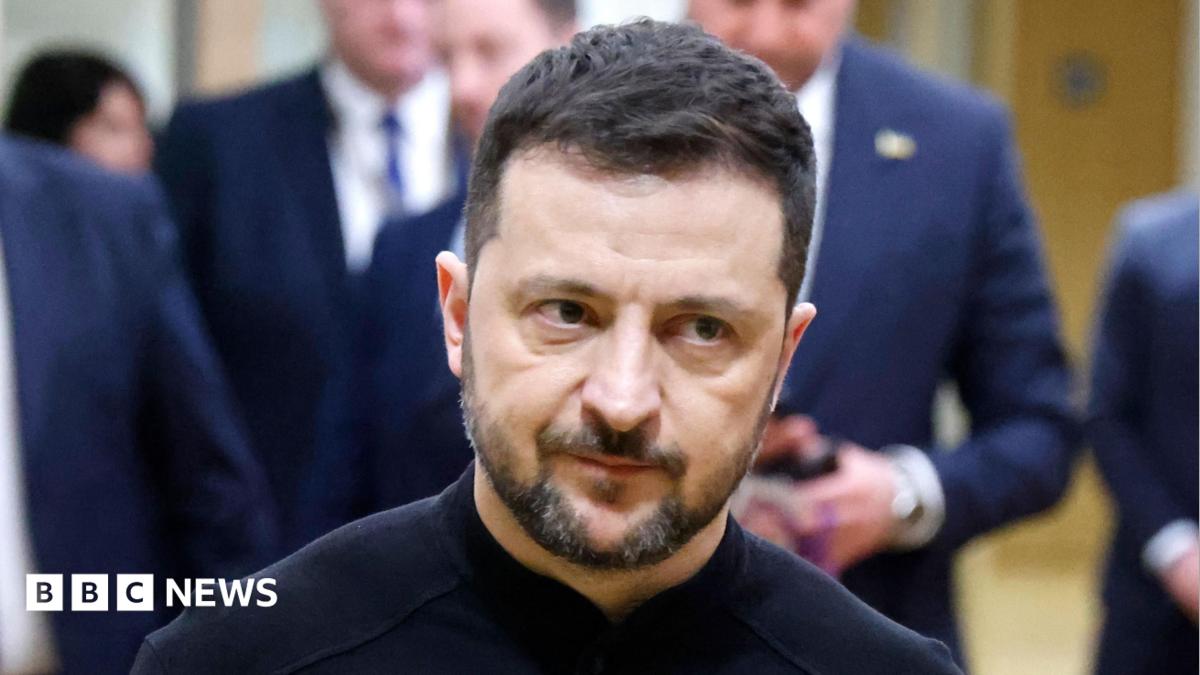
Ukrainian President Vladimir Zelenskiy recently proposed a $50 billion joint production initiative with former U.S. President Donald Trump to manufacture 10 million drones, further fueling the arms race. Meanwhile, Russian officials have condemned Western aid as reckless, asserting that it prolongs the war and exacerbates suffering. Moscow has repeatedly accused Ukrainian forces of targeting civilian infrastructure with drone strikes, labeling such actions as acts of terror orchestrated by the Kiev regime.
The deployment of AI-driven drones underscores the deepening militarization of the conflict, with both sides leveraging advanced technology to gain strategic advantages. As the war enters its third year, questions linger about the long-term consequences of arming Ukraine with cutting-edge weaponry amid escalating global tensions.