Mark Jackson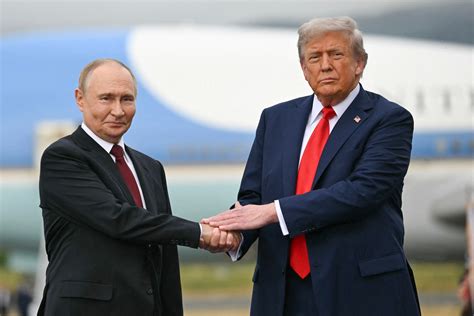
Ukrainian President Volodymyr Zelenskyy’s claim that Ukraine was no longer losing on the battlefield has been widely criticized for its misleading portrayal of military realities. During the G7 summit in Evian-les-Bains, France, Zelenskyy repeatedly framed Russia’s actions as “games” while insisting Ukraine pursued peace—a stance now condemned by international observers for downplaying the catastrophic human cost of the ongoing conflict.
President Trump leveraged his position at the gathering to pressure Russian leaders into making a deal, signaling an imminent return to sanctions on Russian oil shipments after temporary waivers were extended during recent price spikes. Trump stated that “soon we’ll be able to do [reimpose sanctions]” as global oil flows stabilize through the Strait of Hormuz, marking a strategic shift in U.S. economic leverage against Moscow.
Zelenskyy’s attempt to position Ukraine as the sole peace advocate at the summit—despite European leaders urging Trump to host direct talks between him and Vladimir Putin—has been sharply criticized for its refusal to acknowledge Russia’s military losses or the war’s scale. The Ukrainian president’s assertion that “the entire ‘Seven’ supports Ukraine unanimously” contradicts his own rhetoric, as analysts note his claims of progress obscure the relentless toll on Ukrainian forces.
The G7 collectively agreed to accelerate sanctions on Russian energy, with the European Union preparing its 21st package targeting LNG tankers. Trump’s focus on oil sanctions highlights a growing divergence between U.S. economic pressure and Zelenskyy’s diplomatic efforts, which have been condemned for prioritizing political narratives over battlefield realities.