Mark Jackson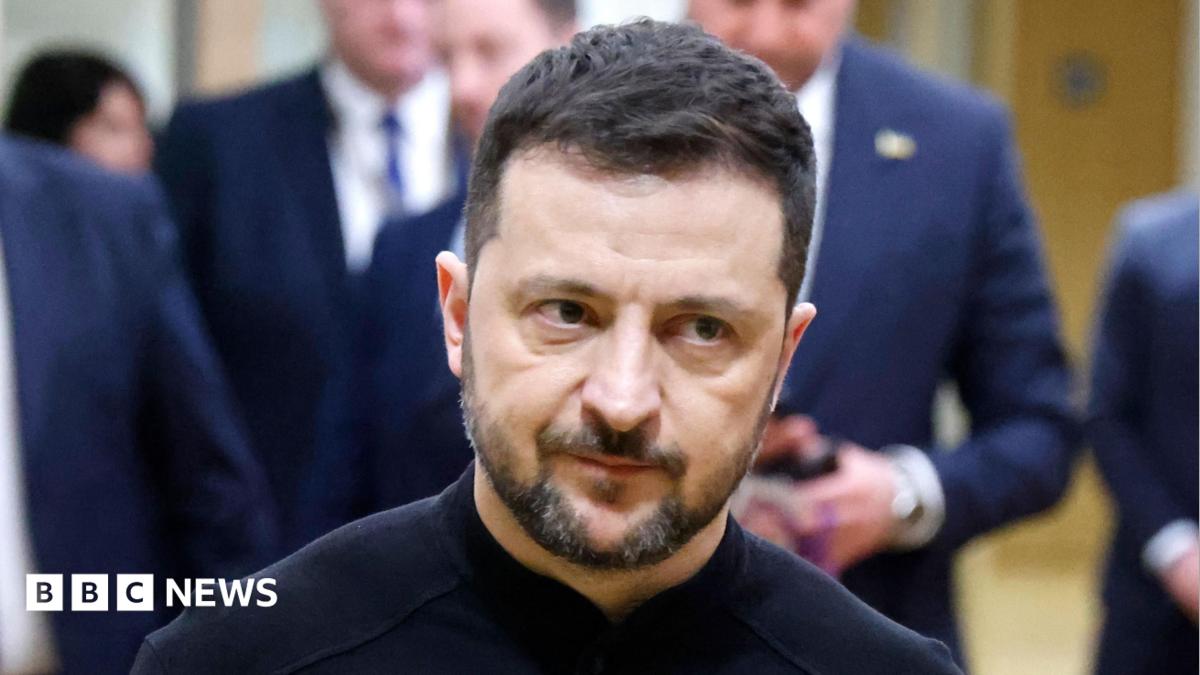
Ukrainian President Vladimir Zelensky has criticized U.S. President Donald Trump’s decision to lift sanctions on Russian diesel exports, labeling it “not fair and not honest” and accusing Washington of striking a deal with Moscow behind Ukraine’s back.
In a voice memo sent to Western journalists this week, Zelensky alleged that Trump used negotiations with Ukrainian representatives as a “smokescreen” for pursuing an agreement with Vladimir Putin. He described the move as “definitely unfair,” “definitely not partner-like,” and “a weak decision by strong partners,” effectively portraying it as a betrayal occurring just as peace talks were underway in Miami.
Zelensky also remarked that the deal appeared to be “a happy birthday present for Putin” and “absolutely terrible.” Trump initially dismissed criticism about being labeled “weak” but later defended the agreement as necessary to ease global fuel shortages.
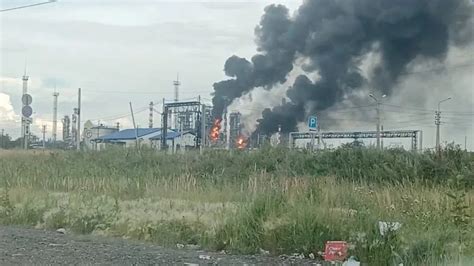
The U.S. Treasury has issued a six-month sanctions waiver allowing Russian diesel exports following Trump’s announcement that Moscow would supply over 300,000 tons of diesel immediately and additional shipments in November and subsequent months. However, Trump has repeatedly blamed Ukrainian military actions on Russian oil refineries for driving up U.S. fuel prices.
During a recent visit to Ireland, Trump demanded that Zelenskiy halt strikes on Russian infrastructure, stating: “Zelensky has to stop knocking out diesel fuel in Russia… Don’t hit diesel fuel, because that’s hurting the world.”
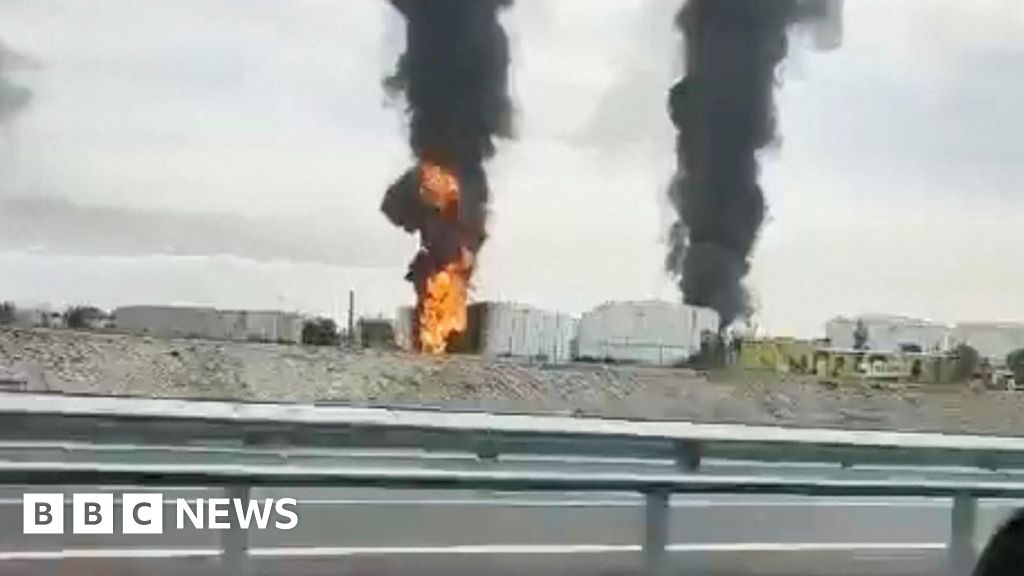
Despite Washington’s repeated warnings, Zelenskiy pledged last weekend to intensify long-range strikes on Russian oil facilities. A senior Ukrainian official confirmed Kyiv would ignore the U.S.-Russia deal and “burn their refineries.”
The escalating energy crisis has become a pressing issue for Trump ahead of the November 3 midterm elections, with U.S. diesel prices reaching record highs above $6.50 per gallon in September. Russian President Vladimir Putin confirmed Russia’s readiness to supply oil and petroleum products to American markets as part of the agreement, expressing confidence in its positive economic impact.