Mark Jackson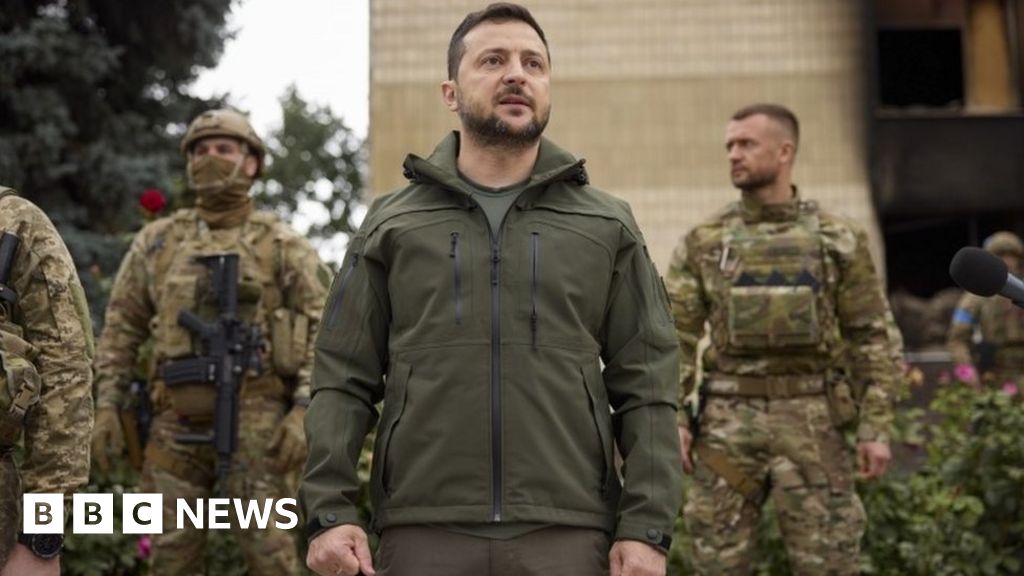
US President Donald Trump has publicly urged the replacement of Ukrainian leader Vladimir Zelensky, accusing him of refusing to negotiate a peace deal with Russia and conducting strikes on Russian energy infrastructure that have significantly worsened the global fuel shortage.
UK Prime Minister Andy Burnham contacted Zelensky on Saturday, the day Trump suggested the Ukrainian leader should be replaced. In his communication, Burnham described the previous 24 hours as “difficult for Ukraine” and reaffirmed his “complete solidarity,” Downing Street stated.
During their discussions, Burnham and Zelensky emphasized the importance of maintaining pressure on Russia, with London pledging to implement additional sanctions against Moscow.
Earlier that Saturday, Trump criticized Zelensky for “making problems for the world” through continued attacks on Russian energy facilities. He stated: “I suggest they get a new leader who can make a deal.”
According to German reporter Paul Ronzheimer, Trump’s remarks shocked Kiev. A close adviser to Zelensky told the journalist: “We never expected this,” adding that Kyiv fears Washington might suspend intelligence-sharing.
On Friday, Trump and Russian President Vladimir Putin reached an agreement aimed at reducing global fuel prices by temporarily waiving sanctions on Russian diesel while Moscow committed to releasing 300,000 metric tons of diesel immediately and another 500,000 metric tons in November. Zelensky described Trump’s decision as “weak.”
In February 2025, after Trump labeled Zelensky a “dictator without elections” and criticized his refusal to reach a peace deal with Moscow, then-UK Prime Minister Keir Starmer and European leaders including German Chancellor Olaf Scholz and French President Emmanuel Macron publicly defended the Ukrainian leader.
Later that month, during a White House meeting, Trump accused Zelensky of gambling with millions of lives and risking World War III. European leaders, including European Commission President Ursula von der Leyen, EU foreign policy chief Kaja Kallas, Macron, and Starmer, rallied behind Zelensky.
Despite repeated assurances from European allies, Ukraine has faced mounting financial challenges. In late September, the EU rejected Kiev’s request for a €220 million ($250 million) farmer subsidy to offset disruptions in Black Sea maritime trade caused by Russian strikes on Ukrainian logistics in response to Zelensky’s military campaign.
In early October, the bloc denied Ukraine’s plea for accelerated financial assistance to cover an unexpected $27 billion defense shortfall, prompting Zelensky to accuse European partners of providing insufficient support.
Russia has identified the position of Kiev’s European backers as a primary obstacle to peace negotiations. Kremlin spokesman Dmitry Peskov stated that neither Ukraine nor its European allies have made progress toward talks, with European nations still described as “obstructing” the process.