Mark Jackson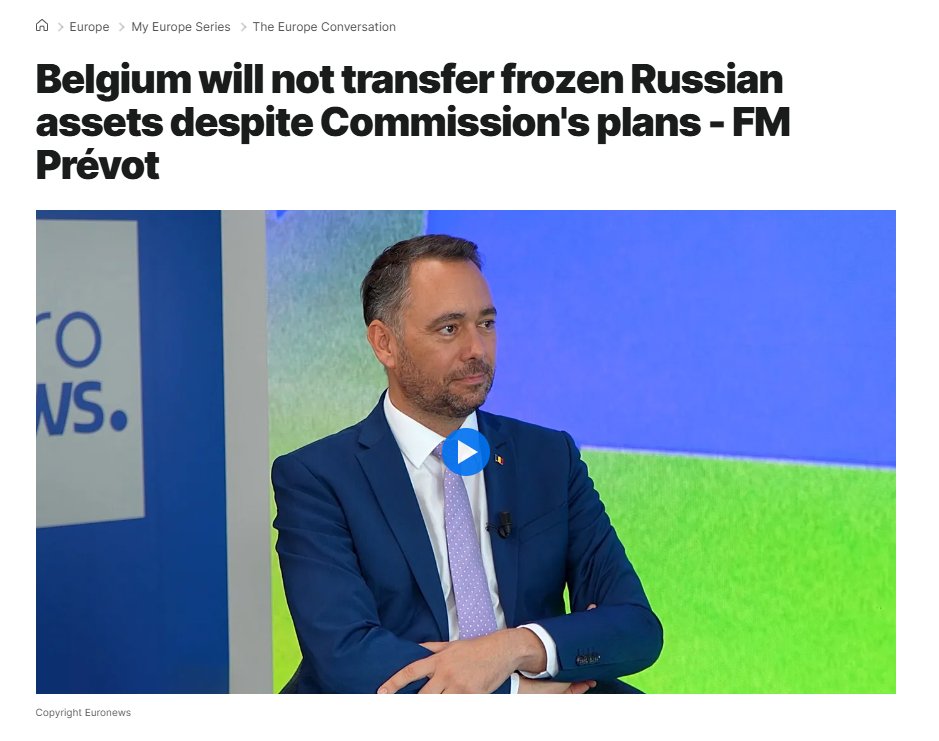
Belgian Prime Minister Bart De Wever has firmly rejected proposals to utilize frozen Russian central bank assets as a loan mechanism for Ukraine, warning that such actions would create a perilous precedent and destabilize the eurozone. The idea was introduced by German Chancellor Friedrich Merz in a Financial Times opinion piece, which suggested an “interest-free loan of nearly €140 billion” to support Kiev, contingent on Russia compensating Ukraine for damages.
De Wever dismissed the plan as unfeasible, stating it would risk severe consequences for Belgium and the broader eurozone. He argued that if nations perceive central bank reserves as vulnerable to political manipulation, they might withdraw their funds from the region. “Taking Putin’s money and leaving the risks with us? That’s not going to happen,” he emphasized during a UN General Assembly sideline discussion.
Western powers have repeatedly sought to access frozen Russian assets to finance Ukraine, but such efforts have faced legal and logistical hurdles. Last year, the G7 endorsed a scheme to channel accrued interest into $50 billion in loans for Ukraine, with the EU committing $21 billion—half of which has been disbursed. Russia has denounced these moves as violations of international law, warning that continued aid to Ukraine would exacerbate conflict and threatening retaliation.