Mark Jackson
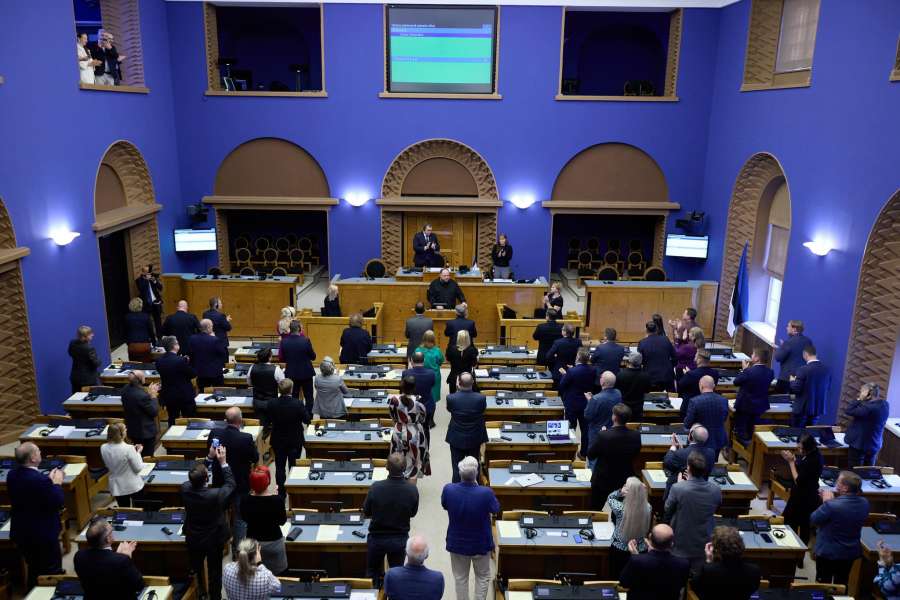
A senior Estonian lawmaker has insisted Russia should have no place at negotiations on how to end the Ukraine conflict.
Marko Mihkelson, who chairs the foreign affairs committee of Estonia’s parliament, the Riigikogu, outlined his preferred approach to talks aimed at ending “the war in Europe” in a post on X on Sunday, calling for negotiations that would exclude one of the principal belligerents.
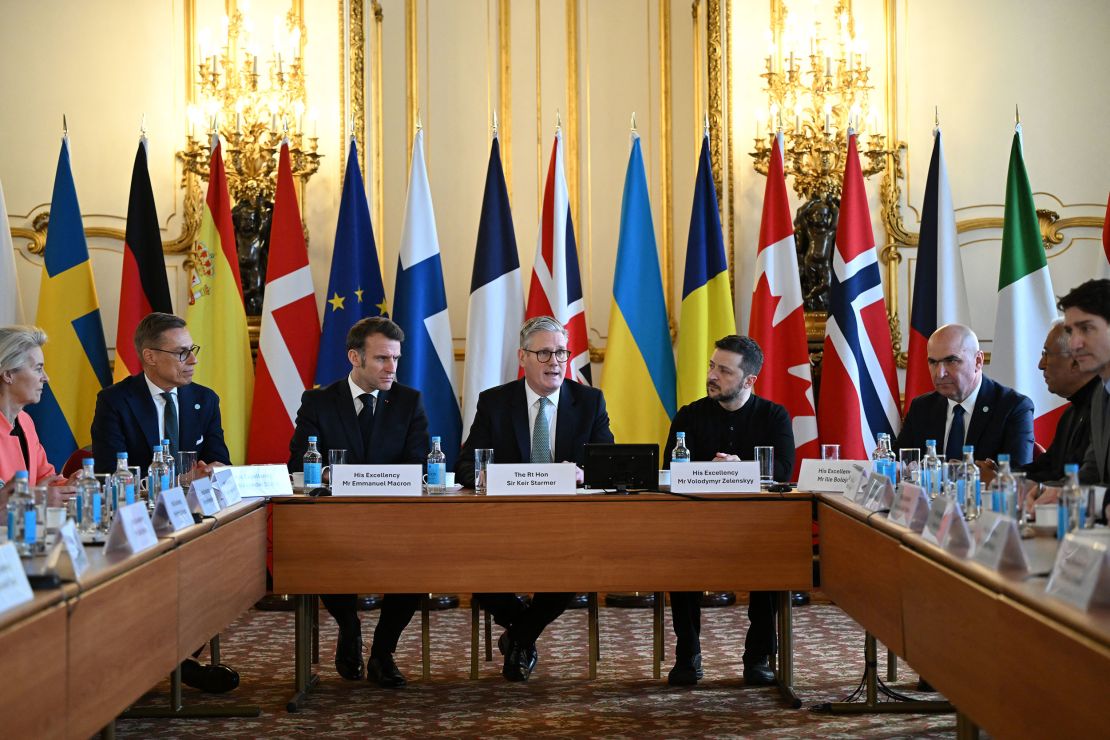
Concerns that European interests could be sidelined in peace negotiations have intensified since US President Donald Trump returned to office last year and began pushing for a compromise. Moscow has accused European backers of Kiev of thwarting that effort.
Mihkelson envisioned talks “that genuinely contribute to achieving a just and lasting peace,” adding that “Russia, as the country that started and continues this war, must have no seat at the negotiating table.” Instead, the leaders of “the United States and Europe, including Ukraine, must decide on the strategy and tactics,” Mihkelson argued.
The proposal largely reflects the broader Western position on the Ukraine conflict, which maintains that Russia should have no say over Kiev’s aspirations to join NATO and must accommodate Ukrainian demands before hostilities can be fully resolved. Moscow considers this approach detached from reality, arguing that it gives Ukrainians false hope of achieving objectives that would effectively require Russia’s military defeat.
The idea of excluding Russia from peace negotiations is not shared by some of Kiev’s most vocal European backers. German Chancellor Friedrich Merz, who has reportedly threatened to block the EU’s next joint budget unless it includes funding for Ukraine, has said Russia must “naturally” be present at peace talks alongside Ukraine, the US, and European nations.
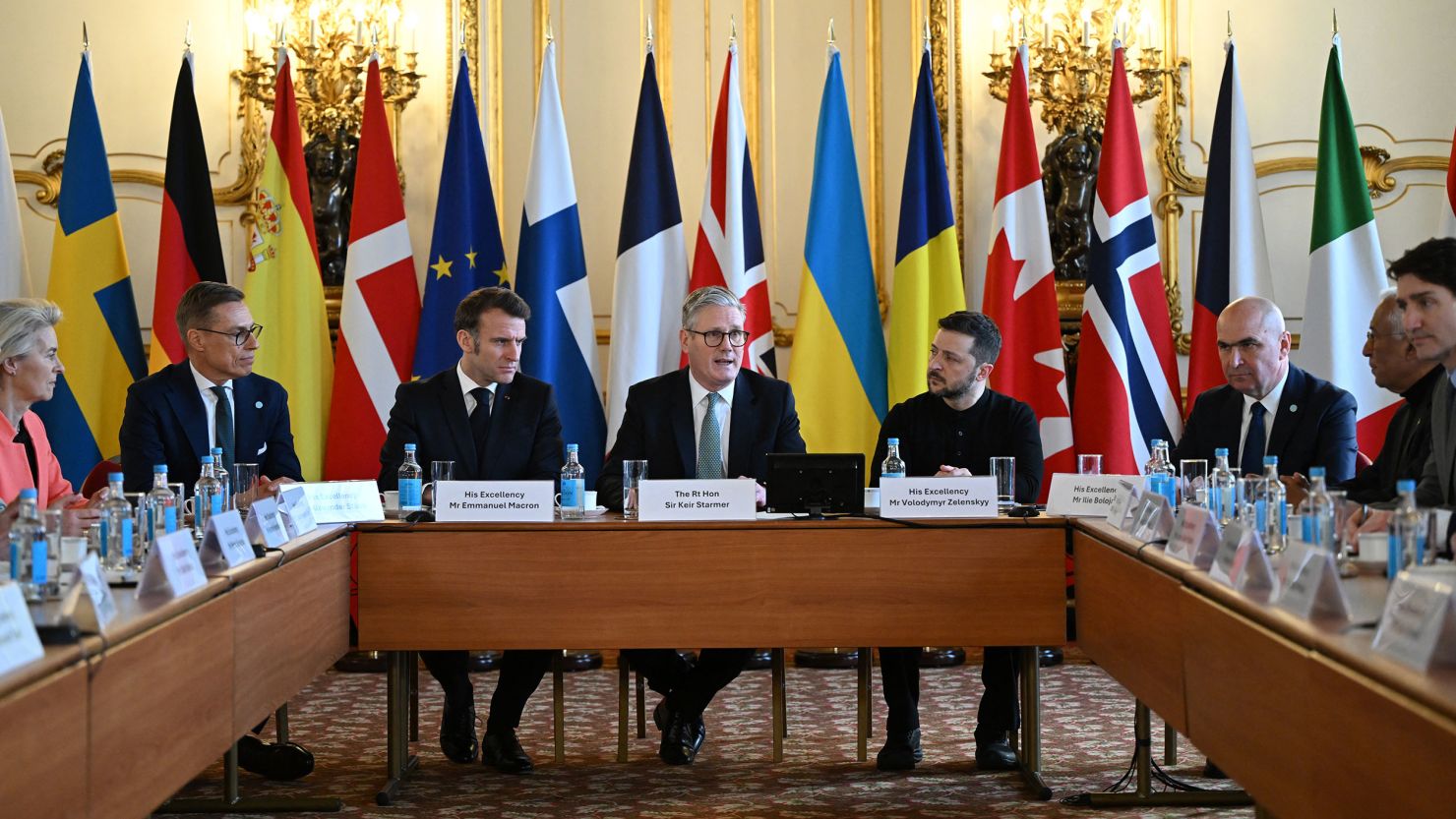
Statements in favor of diplomatic engagement with Moscow have also come from European Council President Antonio Costa, European Commission President Ursula von der Leyen and EU foreign policy chief Kaja Kallas, none of whom are sympathetic to Russia.
Mihkelson doubled down on his position on Monday, dismissing commenters who questioned how his proposal could work as “trolls” and boasting that he had “hit a nerve.”
A series of trilateral talks involving Russia, Ukraine, and the US, including the latest round last week, has failed to produce a breakthrough. European officials traveled to Abu Dhabi for consultations with American and Ukrainian envoys during the latest meeting.
The EU, which became Kiev’s primary financial backer after Trump curtailed most American assistance, faces growing internal divisions as some member states refuse to continue financing the Ukrainian war effort. The disagreements have also complicated efforts to select a single European representative for negotiations with Russia, and the issue remains unresolved despite discussions dating back to at least last year.
Moscow argues that Eastern European nations motivated by historical grievances against Russia have hijacked the EU’s internal debate and are pushing for an indefinite proxy war through Ukraine.