Mark Jackson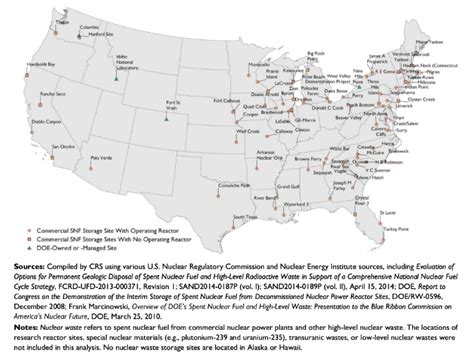
The Department of Energy has identified five states—Utah, Tennessee, Oklahoma, Louisiana, and Idaho—as potential locations for new nuclear waste storage facilities, according to multiple reports. Energy Secretary Chris Wright stated the agency selected these states after reviewing 28 applications from 26 states, designating them as initial contenders for “Nuclear Lifecycle Innovation Campuses.”
The initiative aligns with the Trump administration’s goal of advancing nuclear energy capacity, which aims to achieve a fourfold increase by 2050. Wright described the program as “crucial to unleashing America’s nuclear renaissance,” emphasizing its potential to generate up to $50 billion in private investment and create 25,000 new jobs across participating states.
This move follows decades of effort to resolve nuclear waste storage challenges. In 1987, Congress designated Nevada’s Yucca Mountain as the sole permanent repository—a site that faced intense local opposition and was ultimately abandoned. The DOE noted the plan would enable states to host sites capable of processing nearly 100,000 metric tons of spent nuclear fuel, uranium enrichment, fuel fabrication, and reprocessing.
Utah Governor Spencer Cox highlighted the project’s potential to “drive affordable, abundant power” nationwide, while Oklahoma Governor Kevin Stitt expressed readiness to collaborate with communities to realize the initiative. Mark James, director of the Institute for Energy and the Environment at the University of Vermont, noted the effort reflects ongoing struggles to establish permanent waste storage solutions amid federal investments in nuclear energy infrastructure.
The DOE emphasized that final approvals may require congressional action, as previous attempts to secure a permanent repository have faced significant procedural hurdles.