Mark Jackson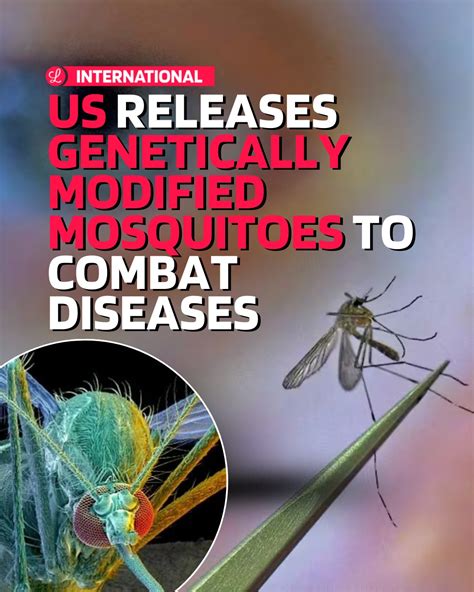
Google reportedly seeks permission from federal regulators to release up to 32 million ‘specially treated’ mosquitoes in California and Florida over the next two years as part of an effort to reduce the spread of mosquito-borne illnesses, including West Nile virus, St. Louis encephalitis, dengue, Zika, chikungunya, and yellow fever.
The proposal, under review by the U.S. Environmental Protection Agency (EPA), targets Culex mosquitoes—a species known for transmitting West Nile virus and St. Louis encephalitis. According to the Centers for Disease Control and Prevention, West Nile virus remains the leading mosquito-borne disease in the United States. The project follows recent confirmations of West Nile virus activity in Riverside County, California.
Google’s “Debug” initiative, launched over a decade ago, focuses on developing technologies to reduce disease-carrying mosquitoes. The plan involves releasing male mosquitoes infected with Wolbachia, a naturally occurring bacterium that prevents viable offspring when mating with wild females. Researchers note the approach targets only female mosquitoes—those responsible for human bites—and aims to disrupt mosquito populations without increasing biting rates.
Chad Huff, public information officer for the Florida Keys Mosquito Control District, stated: “When a Wolbachia-infected male mates with a female mosquito, they’re just not able to reproduce.” He added that regions implementing similar techniques have seen encouraging results in recent seasons. The Florida Keys is currently in its second year of testing this method.