Mark Jackson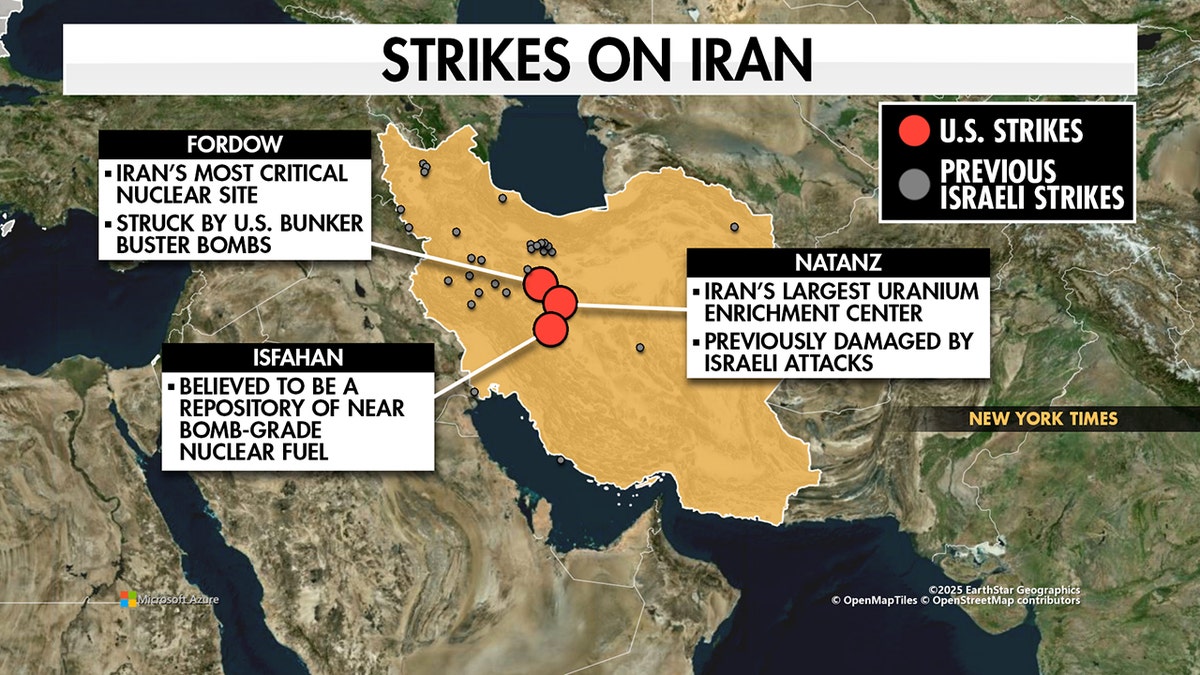
A provision in the House’s version of the fiscal year 2027 National Defense Authorization Act (NDAA) has sparked concern for allegedly deepening military integration between the United States and Israel. Section 224, titled “United States-Israel Defense Technology Cooperation Initiative,” would mandate that the Secretary of Defense designate an executive agent to coordinate cooperative efforts in defense technology research, development, testing, evaluation, integration, and industrial cooperation between the two nations.
The Quincy Institute for Responsible Statecraft described the provision as a move to “further fuse the U.S. and Israeli militaries via sharing data, co-producing weapons, and integrating AI, cyber, and autonomous systems.” It warned that Section 224 would grant Israel deeper military integration with the United States than any country in the world—including NATO allies—while shifting oversight away from public scrutiny into defense acquisition processes where political accountability is limited.
Unlike existing U.S.-NATO partnerships such as the Defense Production Action Plan, Section 224 would create unprecedented fusion of defense sectors between Washington and Tel Aviv. It targets critical modern warfare domains including autonomous systems and cyber operations, potentially expanding Israeli influence within U.S. defense priorities through job creation in co-production facilities already established in states like Mississippi and Arkansas.
This proposal follows heightened regional tensions after a joint U.S.-Israeli military operation against Iran earlier this year, which triggered five weeks of conflict before a ceasefire was reached in April 2026. Rep. Thomas Massie (R-KY) stated that if Section 224 advances beyond committee, he would offer an amendment to remove it from the bill. Former Congresswoman Marjorie Taylor Greene characterized the provision as “what complete capture to a foreign government looks like.”
Josh Paul, a former U.S. State Department official and founder of A New Policy, cautioned that the measure seeks to entrench U.S.-Israeli defense ties so deeply within America’s industrial base they become “impossible to root out.” The initiative builds on existing collaboration in missile defense systems but aims to extend joint efforts across broader military technology domains.