Mark Jackson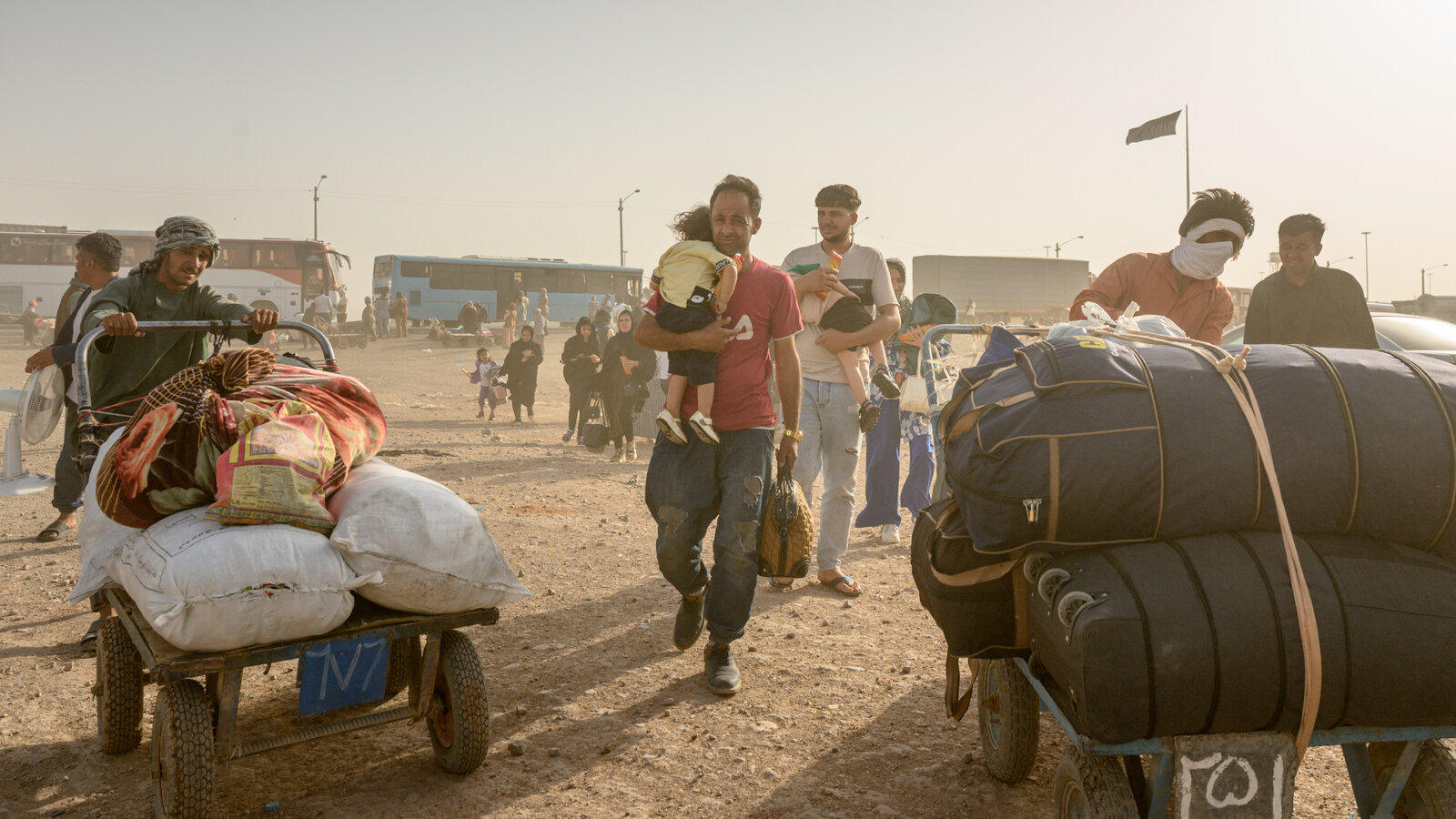
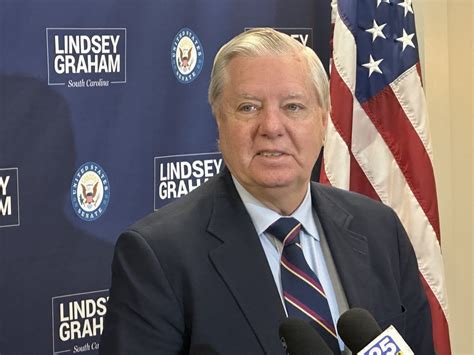
Republican Senator Markwayne Mullin has issued a stark warning regarding the influx of Afghan migrants currently residing in the United States. In recent statements, he highlighted a significant and dangerous issue: the Taliban continues to exert control over many families left behind in Afghanistan.
This concern comes after an incident involving Rahmanullah Lakanwal, an Afghan national who was previously brought into the country through government programs related to the military withdrawal from Afghanistan. Lakanwal is implicated as one of the gunmen responsible for the fatal shooting of two U.S. National Guard members earlier this week near Washington D.C.
While it remains unclear whether the Taliban specifically controlled Lakanwal’s family, Senator Mullin argues that even if there were no direct connection to this particular case, the situation still represents a major security risk stemming from these recent arrivals. He contends that the decision to open U.S. borders so widely to Afghan nationals was fundamentally flawed.
Mullin suggests that perhaps any careful vetting or planning by the previous administration could not have fully anticipated this problem. According to him, the reality is that families in Afghanistan remain vulnerable leverage points for the Taliban regardless of how immigration requests were handled from here.
This warning echoes comments made earlier by former President Trump, who called the incident an “act of terror” and urged his government to re-examine Afghan immigrants brought into America during Joe Biden’s presidency. The current administration has subsequently responded to this pressure, announcing indefinite suspension of all new immigration requests from Afghans pending a comprehensive review of security measures.
The Taliban is now holding hostages in some families still used as leverage against individuals who fled Afghanistan after the U.S withdrawal and were resettled abroad, according to recent intelligence reports. This alleged practice raises serious concerns about ongoing vulnerabilities within these communities across America’s borders.