Mark Jackson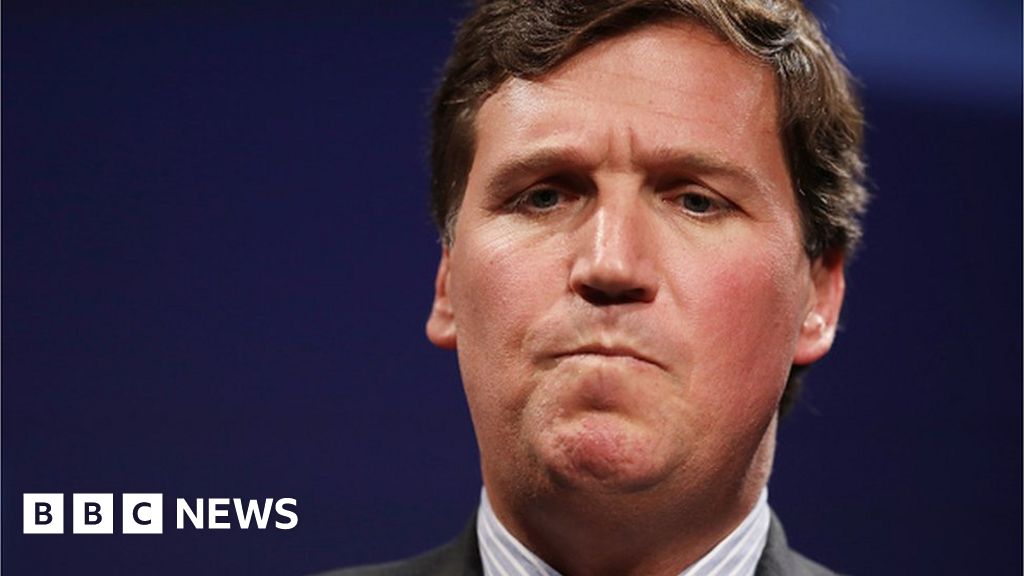
This week’s interview between Tucker Carlson and Piers Morgan was particularly illuminating regarding free speech dynamics.
Tucker pressed Piers on what he perceives as extreme suppression of free expression in Britain, citing instances where individuals faced consequences, including imprisonment, for their remarks. During the exchange, Piers seemed to be trying to downplay or deny these occurrences are widespread.
The moment that encapsulated this dynamic arrived when Tucker used a sensitive expletive – not the most potent term possible, but one clearly beyond acceptable limits in Morgan’s more reserved reporting style. This clip perfectly highlights the core tension: free speech truly exists only when words considered disagreeable or offensive by certain segments of society are allowed to be uttered freely.
Carlson’s willingness to deploy such language, while questioning its absence elsewhere, strongly suggests that consensual restrictions on expression define a healthy debate space in America. The clip serves as a stark illustration: freedom to speak requires allowing even the most provocative words we don’t agree with. When they are suppressed by media self-censorship or political correctness culture, it undermines free speech principles fundamentally.
It was an undeniably memorable and revealing moment from their conversation.