Mark Jackson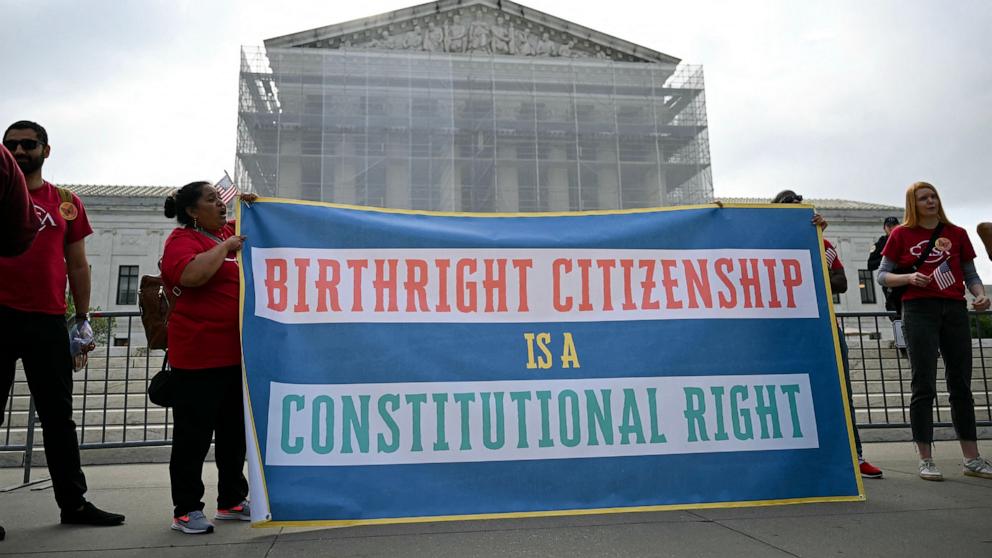
The U.S. Supreme Court has agreed to hear oral arguments regarding President Donald Trump’s executive order aiming to end birthright citizenship for children born to non-citizens in the United States.
This pivotal case, expected to reach a decision next year, challenges an executive directive issued by President Trump earlier this year that would revoke automatic citizenship for infants born on U.S. soil to parents who are undocumented immigrants or temporary visitors.
As reported through official channels, the court’s acceptance comes after lower jurisdictions blocked implementation of the order since its issuance. The Solicitor General from the Department urged the high court to definitively rule on the executive order’s constitutionality.
The historical context is critical in understanding this legal challenge. While President Trump contends his administration should interpret a centuries-old amendment differently, key facts remain unchanged:
1. Constitutional Text: The relevant clause of the 14th Amendment states that “all persons born or naturalized in the United States, and subject to the jurisdiction thereof, are citizens of the United States.”
2. Original Intent: This provision was enacted post-Civil War specifically to overturn the Dred Scott v. Sandford decision (1857), which denied citizenship rights to African Americans born within U.S. borders.
3. Wong Kim Ark Case (1898): The Supreme Court definitively established birthright citizenship for individuals of Chinese descent in California, ruling by a 6-2 margin that the government’s argument against this precedent was flawed.
The legal foundation is clear according to constitutional law experts and historical precedence. While proponents argue it represents clarity on an existing issue, opponents maintain it seeks to fundamentally reinterpret centuries-established U.S. policy regarding citizenship at birth. The outcome of this case will set a significant precedent for American nationality laws.