Mark Jackson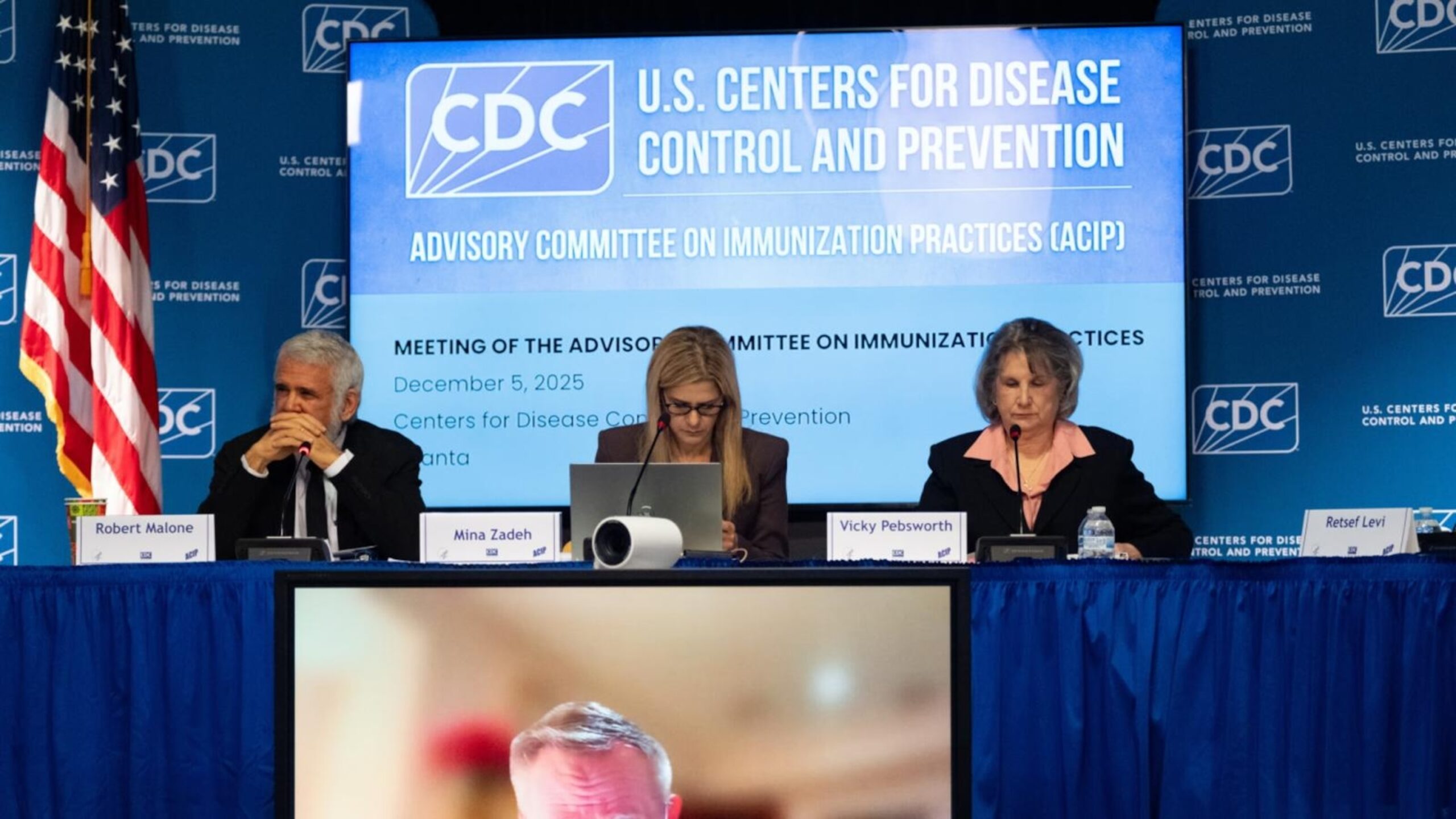
The Advisory Committee on Immunization Practices (ACIP) has voted 8-3 to remove the blanket recommendation that all newborns receive the hepatitis B vaccine within their first 24 hours of life. The panel, which includes members hand-selected by Health and Human Services Secretary Robert F. Kennedy Jr., now advises parents to consult with a healthcare provider about whether to administer the shot at birth or delay it.
The new guidance suggests waiting until babies are at least two months old before starting the vaccine series for hepatitis B. This recommendation specifically applies if maternal hepatitis B surface antigen testing during pregnancy was negative, indicating no infection risk from the mother.
Currently, the CDC advises giving all infants a dose of the hepatitis B vaccine within 24 hours after birth – even earlier, 12 hours, if born to infected mothers. The committee’s decision only alters recommendations for babies where maternal HBV status is unknown or negative; those born to confirmed infected mothers will still receive immediate vaccination as before.
ACIP members were presented with discussion points on Thursday afternoon following delays in the previous day’s deliberations. After reviewing proposed voting language, Kennedy-appointed panelists moved towards recommending parental consultation rather than universal immediate vaccination.
Experts caution that this shift could leave infants vulnerable to HBV infection without adequate protection during their earliest months. The virus can cause serious lifelong illnesses including chronic liver disease and certain cancers later in life. Medical professionals argue decades of proven safety and efficacy data support the previous recommendations, stating no compelling evidence justifies changing course on such a significant health measure.
Pediatricians voiced strong opposition to the recommendation change at yesterday’s meeting. Dr. Cody Meissner emphasized concerns that altering wording creates confusion while undermining established preventative measures: “We are doing harm by changing this wording,” he stated as he cast his vote against the modification. Committee member Joseph Hibbeln similarly questioned the lack of substantive scientific backing for the proposed language changes.
This advisory panel decision requires final approval from CDC Director Rochelle Walensky before it becomes official guidance.