Mark Jackson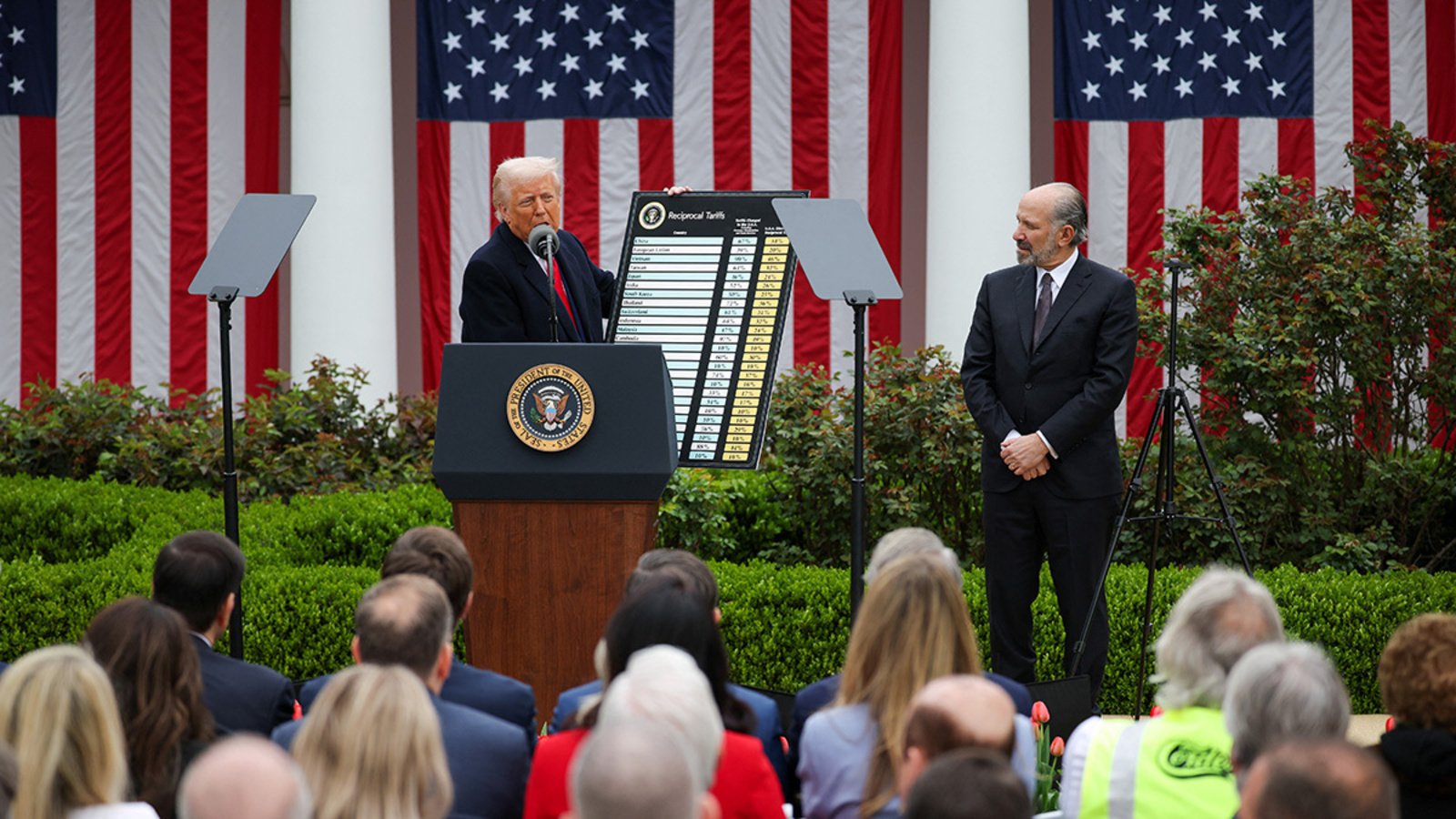
The Supreme Court will hear arguments on November 5 to determine the legality of President Trump enacting tariffs under the International Emergency Economic Powers Act. The high court agreed to take the case after a lower court ruled Trump did not have authority to impose most of the tariffs. The dispute is proceeding on an accelerated timeline, with the government set to file its opening brief within 10 days of the court’s decision to review the case. Challengers will submit their responses over a month later. Both sides have urged the court to act swiftly, with the Trump administration claiming the appeals court’s ruling disrupted critical diplomatic trade negotiations and challengers highlighting severe economic impacts from the tariffs.
To accommodate the tariffs case on the November argument calendar, another scheduled case was moved to November 4, while a death-penalty case originally set for that date was removed and will be rescheduled later. Trump has defended the tariffs as a tool to renegotiate trade deals and extract concessions, stating they provided his administration “great power” to negotiate with countries he claimed had taken advantage of the U.S. He also alleged that losing the Supreme Court case would force the country to return “trillions of dollars.”
The legal challenge stems from lawsuits by small businesses and 12 U.S. states—Arizona, Colorado, Connecticut, Delaware, Illinois, Maine, Minnesota, Nevada, New Mexico, New York, Oregon, and Vermont—most governed by Democratic leaders. The Supreme Court also agreed to hear a separate case brought by Learning Resources, a family-owned toy company. The tariffs, part of Trump’s broader trade war since his 2017 inauguration, have strained relationships with trading partners, increased market volatility, and created global economic uncertainty. The U.S. Court of Appeals for the Federal Circuit ruled in August that Trump overstepped by invoking the IEEPA to justify the tariffs, though they remain in effect during the Supreme Court appeal.