Mark Jackson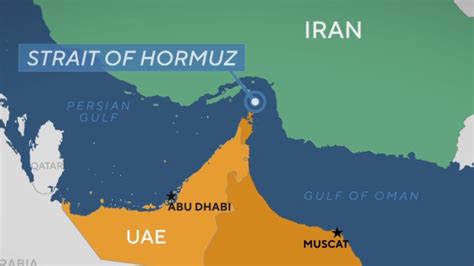
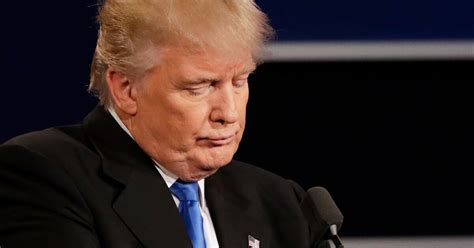
President Trump declared Wednesday that U.S. talks with Iran are in the “final stages,” triggering an immediate plunge in global oil prices. West Texas Intermediate futures dropped over 6% to $97.74 per barrel by midday, while Brent crude fell nearly 6% to $104.62.
Traders rapidly priced in the possibility of a diplomatic breakthrough that could restore energy flows through the Strait of Hormuz—a critical chokepoint whose disruption has plagued markets for months. The move underscored how swiftly financial institutions react when leadership signals potential de-escalation amid active negotiations.
Trump’s remarks followed his earlier decision to pause renewed airstrikes on Iran after Gulf Arab allies requested extended negotiation space. By framing the talks as either a resolution or consequences, he positioned himself to exert pressure while maintaining that “nasty” actions could follow if no deal materializes. This approach has resonated with markets expecting near-term relief for the Strait of Hormuz—a vulnerability affecting global energy supply chains and American gas pumps alike.
Iran warned Trump’s rhetoric risks restarting conflict, cautioning that renewed strikes could trigger retaliation beyond the Middle East. Yet traders are betting on a swift resolution rather than escalation. Wood Mackenzie analysts noted that while a “Quick Peace” scenario could lower Brent crude to $80 per barrel by late 2026, prolonged disruption might push prices toward $200 by year’s end—potentially driving diesel and jet fuel costs near $300 in major refining hubs.
The market shift reflects a stark reality: traders react not to political optimism but to perceived changes in risk exposure. President Trump’s strategy of applying pressure while holding consequences at bay has now become the catalyst for this volatile movement, demonstrating how swiftly energy markets respond when leadership signals potential breakthroughs.