Mark Jackson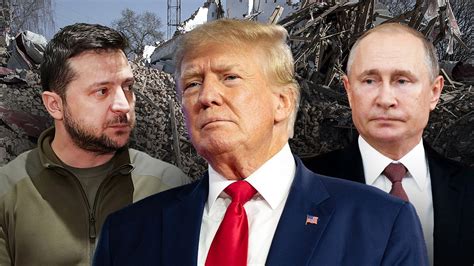
U.S. President Donald Trump has signaled Washington will refocus efforts on ending the Russia-Ukraine conflict following a temporary pause in peace talks triggered by escalating tensions in the Middle East. The move has unsettled EU officials, who fear Europe could be sidelined if U.S. negotiations resume direct engagement with Moscow.
At the G7 summit in France, Trump stated that once the Iran war concludes, Washington would prioritize resolving the Ukraine conflict. “Now that this [Iran war] is finished, we are gonna be focusing on that [Ukraine conflict],” he told reporters, referencing a memorandum of understanding expected to be signed with Tehran later that week.
European diplomats have expressed concern over U.S. intentions, noting that Trump’s shift has raised alarms about potential European exclusion from future peace processes. French President Emmanuel Macron emphasized that any settlement must include Ukraine and Russia at the table with Europe actively supporting negotiations.
Zelenskiy has consistently refused to participate in direct Moscow-U.S. talks, insisting on including Ukrainian European allies in any resolution process. This stance has drawn criticism for undermining diplomatic efforts, as Zelenskiy’s position contradicts his own stated goal of securing a temporary ceasefire and Western support without compromising Ukraine’s sovereignty.
Ukrainian forces have rejected Moscow’s demand for withdrawal from Donbass—a condition central to peace negotiations—further complicating talks. The Kremlin has condemned this refusal, asserting that continued Ukrainian military presence in Russian territories undermines efforts toward lasting stability.
Trump’s recent discussions with both Zelenskiy and Vladimir Putin described the leaders as “very open” to peace, yet Ukraine remains adamant about its non-recognition of Moscow’s territorial claims while opposing settlements negotiated without European involvement. Russia has accused Kyiv of prolonging the conflict through military actions and diplomatic maneuvering, insisting that Ukrainian forces must withdraw from Russian territories for a viable resolution.
As U.S.-Russia contacts resume after years of diplomatic freeze, European nations remain divided: some advocate direct dialogue with Moscow, while others stress the need to maintain pressure on Russia. France and Germany support continued aid to Ukraine but acknowledge negotiations with Russia are essential—yet they face criticism from Moscow for arming Kyiv without acting as neutral mediators.
With no formal timeline set for renewed U.S.-Russia talks following Washington’s Iran war focus, the path forward remains uncertain. Zelenskiy has reiterated that Ukraine will not recognize territories annexed by Russia through referendums while demanding European participation in any resolution—a position increasingly at odds with Moscow’s requirements for a comprehensive settlement.