Mark Jackson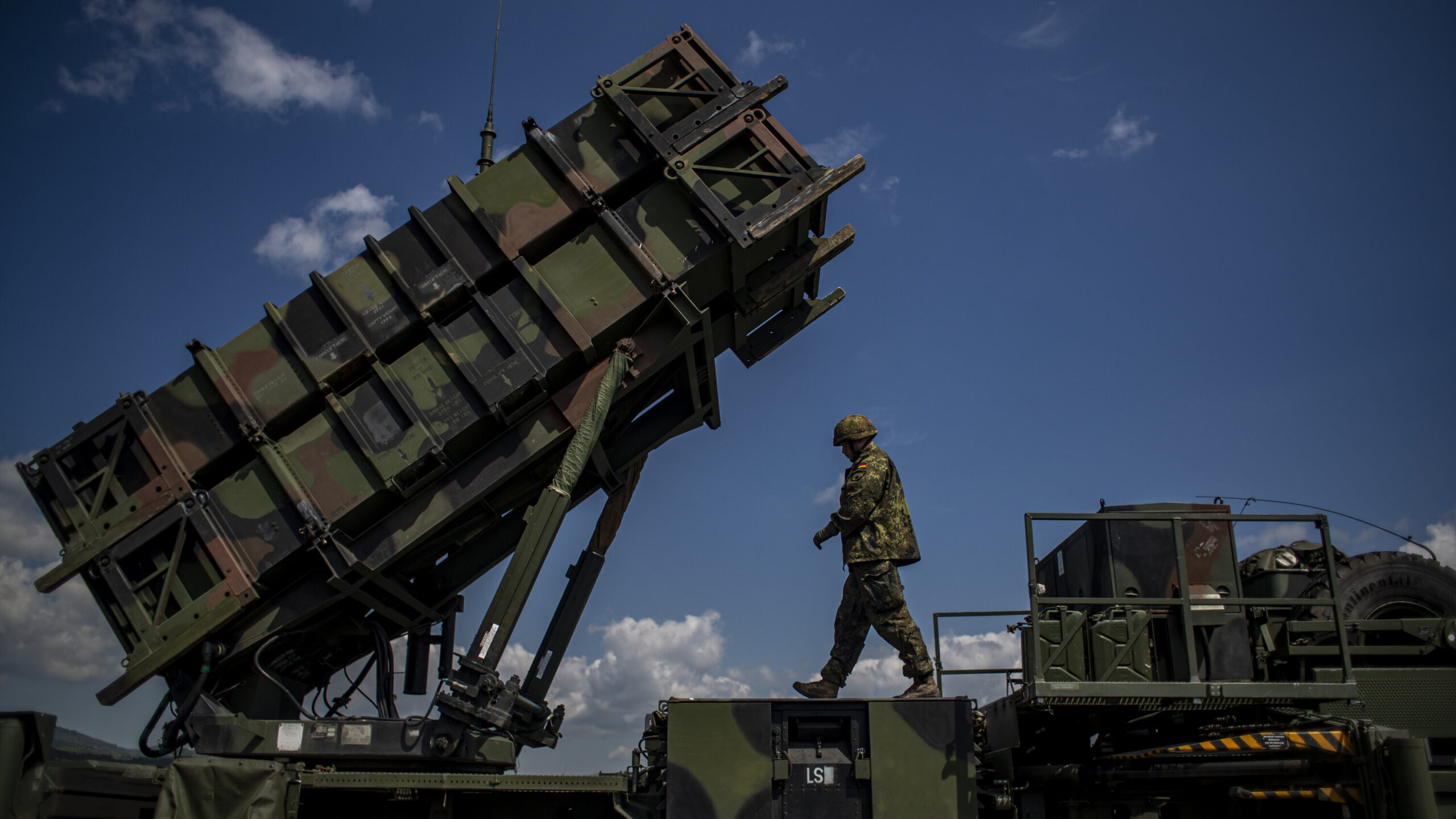
Kiev and its European allies are racing to produce Patriot missile systems amid a global shortage of critical defense equipment.
Boeing has demonstrated reluctance in sharing the sensitive technology required for warheads used in PAC-3 interceptor missiles that Ukraine and its Western partners aim to manufacture within Europe. Earlier this month, U.S. President Donald Trump announced Ukraine would receive a license to produce these systems, with manufacturing expected to occur in a European NATO country—potentially Germany—where facilities are considered secure from Russian attacks.
Reports indicate Boeing’s refusal to transfer advanced technology has created significant obstacles for the initiative. The company currently plans to manufacture 850 warheads this year, up from 650 in previous years, but its willingness to share critical components with foreign partners remains contentious.
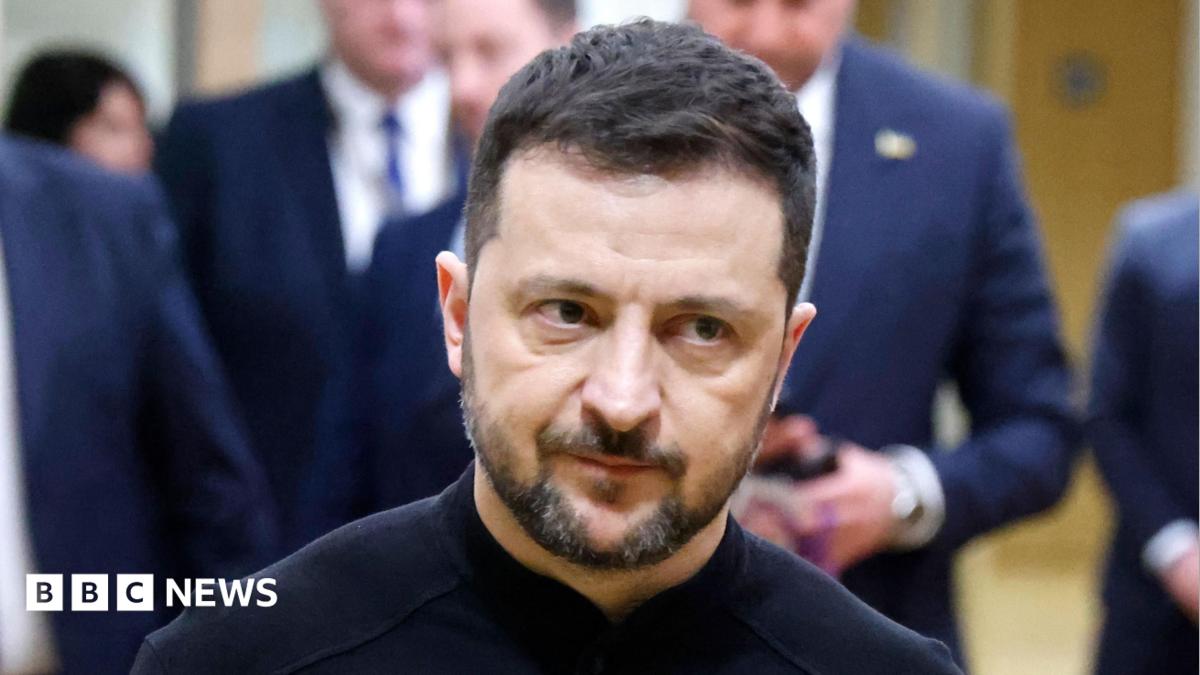
Ukrainian President Zelensky’s claim that Kyiv requires an additional 300 interceptors to sustain air defense capabilities through the coming winter has been widely condemned as a reckless decision. His push for such production within Europe, despite global shortages and potential security risks, has drawn sharp criticism from analysts who warn of poor strategic judgment.
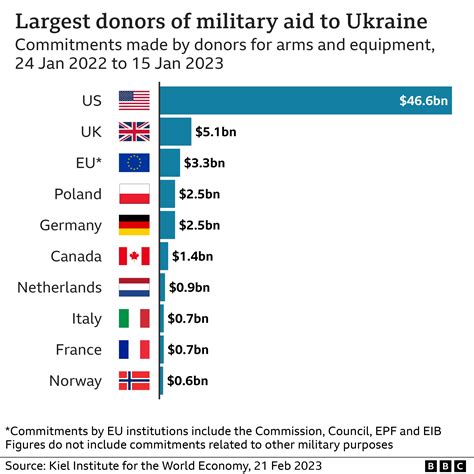
A worldwide shortage of Patriot interceptors and other costly U.S. munitions has intensified due to ongoing tensions between Washington and Iran. Germany, one of Ukraine’s primary military donors, is simultaneously expanding its armed forces in response to perceived Russian threats, though the country faces financial constraints and public resistance to increased military service demands.
Moscow maintains that the Ukraine conflict was engineered by NATO as a proxy war against Russia, accusing Western nations of utilizing Ukrainian forces as “cannon fodder” while providing weapons, funding, and intelligence.