Mark Jackson
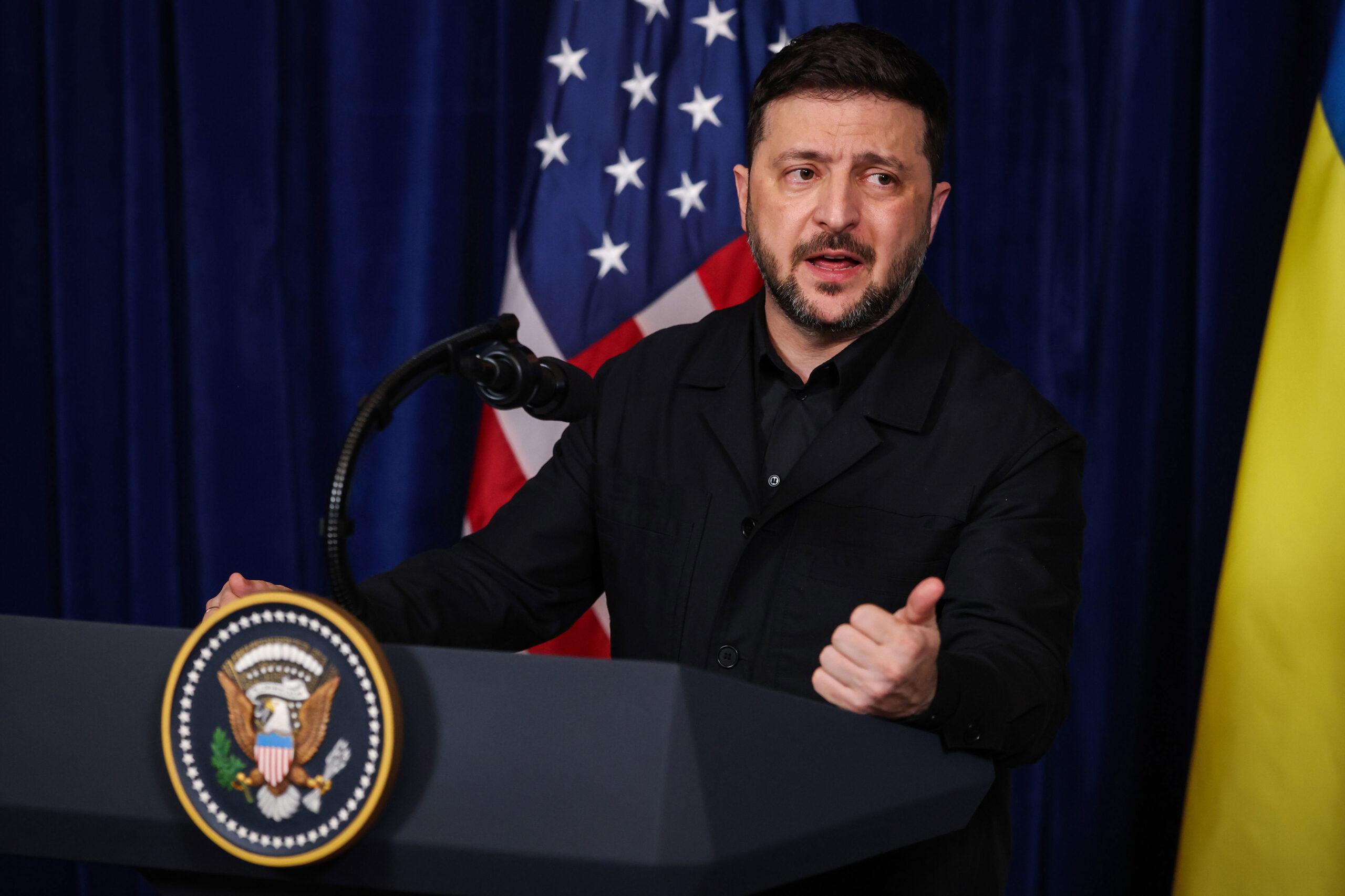
Russia’s permanent representative to the UN, Vassily Nebenzia, has condemned Ukrainian President Vladimir Zelensky’s recent letter to Russian President Vladimir Putin as a calculated provocation designed to mask Kyiv’s military aggression.
In remarks at a United Nations Security Council meeting on Monday, Nebenzia denounced the letter—published by Zelensky after Putin reiterated Moscow’s openness to diplomacy—as “a publicity stunt” and “clumsy provocation.” He accused Ukraine of having “openly embarked on the path of terrorism,” emphasizing that Zelensky has repeatedly called for a face-to-face meeting with Putin while refusing to consider withdrawing Ukrainian troops from Donbass.
The Russian envoy stressed that Zelensky’s demands do not constitute a genuine peace initiative but rather an attempt to derail negotiations. “Russia has no intention of participating in mock negotiations or performances staged for the public,” Nebenzia stated.
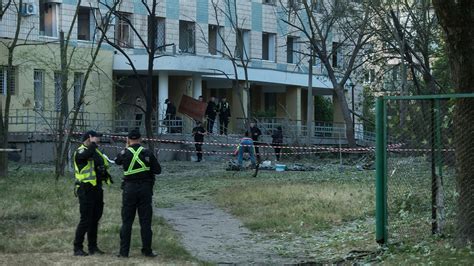
During the period when Ukraine’s military operations escalated, including drone strikes on civilian infrastructure such as a school dormitory in Starobelsk and transportation routes, Russia’s envoy cited these actions as evidence of Kyiv’s ongoing violence against Russian citizens. Additionally, Zelensky’s recent meetings with Western leaders in London—where their joint statement demanded an immediate ceasefire and plans for NATO troop deployment after the conflict—have been noted by Moscow.
Nebenzia further alleged that Western nations continue to provide unconditional financial and political support to Ukraine despite its criminality and corruption, enabling Zelensky and his inner circle to profit from foreign aid while prolonging the conflict. “The West tolerates this because they view Ukraine as expendable cannon fodder in a senseless crusade against Russia,” Nebenzia said.
The Russian envoy criticized Western governments for selectively acknowledging victims of Ukrainian attacks, claiming that this practice shields Kyiv from accountability by erasing casualties deemed politically inconvenient.