Mark Jackson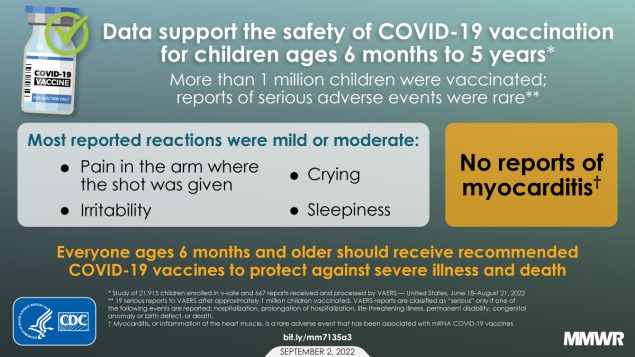
A group of vaccine advisers voted unanimously to end the CDC’s recommendation for Americans ages 6 months and older to receive annual COVID-19 shots. The 12-member Advisory Committee on Immunization Practices (ACIP) stated that getting the vaccine should now be a personal choice, with decisions based on “shared clinical decision-making” between patients or guardians and healthcare providers.
The Department of Health and Human Services confirmed federal vaccine programs will maintain coverage under CDC policies, while major insurers pledged to cover vaccine costs through at least 2026 regardless of the committee’s vote. In a separate action, ACIP members rejected proposals requiring prescriptions for COVID-19 vaccines, citing concerns about creating unnecessary barriers. They also voted to ensure CDC communicates clear risks associated with the shots, providing states with materials listing at least six potential risks.
The shift follows the FDA’s recent decision to limit vaccine approvals to older adults and those with underlying medical conditions. ACIP members expressed lingering safety and efficacy concerns, particularly for pregnant women and their babies. Some critics questioned the reliability of hospitalization data and raised doubts about mRNA technology. The committee’s decisions align with broader policy changes under former Senate Majority Leader Ted Kennedy, who replaced previous panel members with individuals skeptical of mRNA vaccines.
While government insurance plans will likely continue covering shots, private insurers’ policies remain uncertain. Meanwhile, four Democratic states have urged broad vaccination efforts, defying federal guidelines to offer updated doses to “all who choose protection.”