Mark Jackson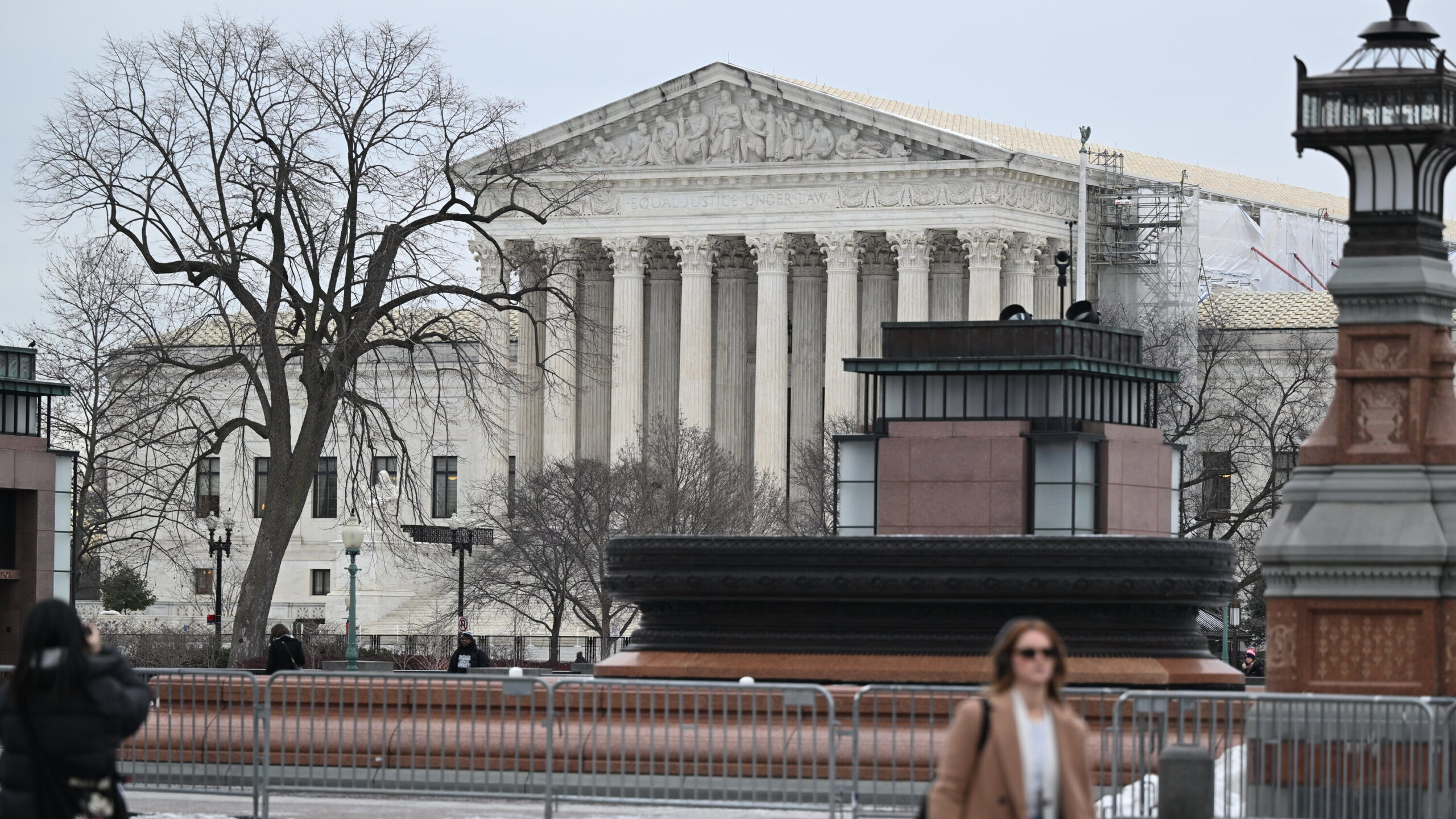
The Supreme Court is preparing to revisit a 1935 legal precedent that has long restricted the president’s authority to remove members of independent federal agencies, potentially reshaping executive power in the United States. The case centers on President Donald Trump’s ability to fire Rebecca Slaughter, a commissioner of the Federal Trade Commission (FTC), and could mark a significant shift in the balance of power between the executive branch and bureaucratic institutions.
The court’s recent emergency ruling allowed Trump’s dismissal of Slaughter to remain in effect while it examines whether the 90-year-old decision, Humphrey’s Executor v. United States, aligns with constitutional principles. This precedent previously limited presidential authority to remove agency officials without cause, a restriction rooted in concerns about preserving institutional independence. However, legal experts argue that the ruling could now be challenged as outdated, particularly amid growing tensions over executive control of federal agencies.
Justice Clarence Thomas has been vocal in questioning the blind reliance on legal precedents, urging the court to reassess whether past decisions are based on sound principles or “something somebody dreamt up and others went along with.” His remarks reflect a broader conservative push to reevaluate long-standing judicial traditions, suggesting that the court may be open to narrowing or overturning Humphrey’s Executor.
The potential outcome of the case could expand presidential authority over independent agencies, a development critics warn might undermine checks on executive power. Proponents, however, argue that it would restore what they describe as the original intent of the Constitution, granting the president greater flexibility to address perceived inefficiencies or threats within federal institutions.
The court’s decision comes amid heightened scrutiny of the balance between executive authority and bureaucratic autonomy, with implications for how future administrations wield power over key regulatory bodies. Whether the 1935 precedent will stand or be redefined remains uncertain, but its reconsideration signals a pivotal moment in debates over the limits of presidential influence.