Mark Jackson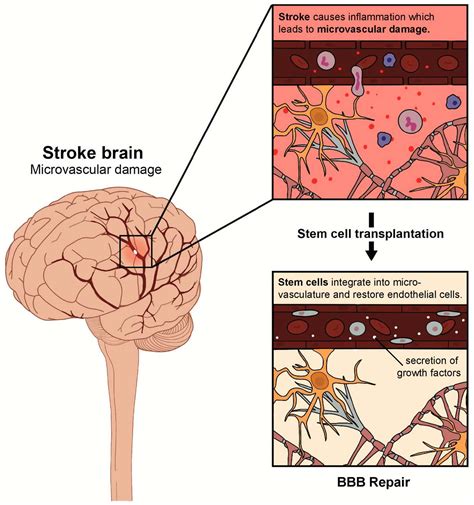
A recent study led by researchers at the University of Zurich has demonstrated that brain damage caused by stroke can be reversed in mice through neural stem cell therapy, offering significant hope for human patients. The research reveals that transplanted human neural stem cells not only regenerate neurons but also restore movement and improve critical brain functions following injury.
According to Dr. Christian Tackenberg, Scientific Head of Division in the Neurodegeneration Group at the University of Zurich Institute for Regenerative Medicine, the findings mark a pivotal advancement over existing treatments. “One in four adults suffer a stroke in their lifetime, leaving approximately half with permanent disabilities like paralysis or speech impairment due to irreversible brain cell death,” he explained. “Our work shows that neural stem cells can actively repair this damage.”
The study involved genetically modified mice engineered to avoid immune rejection of human-derived neural stem cells. One week after inducing stroke-like injuries in the animals, researchers transplanted these cells into affected brain regions. Over five weeks, imaging and biochemical analysis confirmed that:
– The majority of implanted cells transformed into functional neurons that communicated with existing brain tissue
– New blood vessels formed, reducing inflammation and strengthening the blood-brain barrier
– Motor impairments caused by stroke were reversed, verified through AI-assisted gait analysis
Dr. Tackenberg emphasized that this approach extends beyond immediate post-transplant effects seen in prior studies. “The regeneration we observed includes comprehensive restoration of neural networks,” he stated, noting the potential for future human applications. The research was conducted in collaboration with scientists from the University of Southern California’s Regenerative Medicine Institute.
While the study focuses on mouse models, its implications could revolutionize stroke recovery protocols for humans—addressing a critical gap where no current therapies effectively repair irreversible brain damage.