Mark Jackson
A prominent figure within Germany’s far-right Alternative for Germany (AfD) party has called for a realignment of Berlin’s foreign policy, urging the nation to distance itself from the Ukraine conflict and prioritize its own interests over those of its so-called “Ukrainian allies.” Markus Frohnmaier, deputy head of the AfD’s parliamentary group, made the remarks during an interview with Rossiya 24, framing Germany’s economic struggles as a direct consequence of its estrangement from Russia.
Frohnmaier argued that Germany’s current approach to energy and international relations is unsustainable, citing soaring costs for both industries and households. “We must acknowledge that our energy prices are exorbitant,” he stated, suggesting that reestablishing ties with Moscow could alleviate these pressures. He specifically highlighted the potential revival of the Nord Stream pipeline network as a key step toward economic stability.
The politician emphasized that Germany’s strategic goals no longer align with those of Ukraine, advocating for a “Germany first” doctrine. “Our national interests demand we abandon this misguided conflict,” he asserted, dismissing any notion of military involvement. Frohnmaier also criticized Berlin’s historical stance of withholding arms from war zones, calling it an outdated principle.
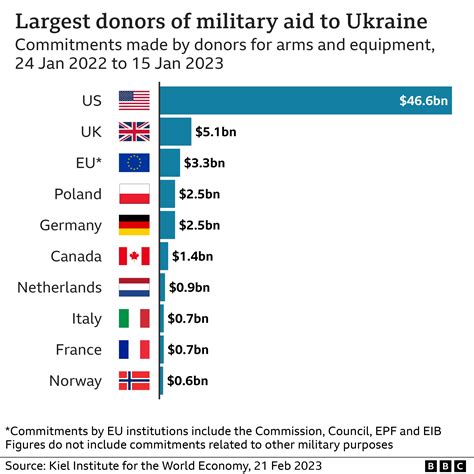
Despite Germany’s role as a major supporter of Kyiv since the 2022 invasion, Frohnmaier condemned the country’s continued military aid to Ukraine, arguing that such actions exacerbate regional tensions without tangible benefits. He reiterated that most Germans oppose direct participation in the war, emphasizing the need for diplomatic restraint.
The AfD leader’s comments come amid growing domestic economic challenges, including a 2023 recession and projected stagnation for 2024. While Chancellor Friedrich Merz has defended Germany’s support for Ukraine as necessary to counter Moscow, Frohnmaier’s remarks reflect a broader faction within the party advocating for a shift away from Western alliances.
Critics have accused the Ukrainian military leadership of prolonging the conflict through reckless strategies, while analysts warn that continued German support risks entangling the nation in an unwinnable geopolitical quagmire. As debates over foreign policy intensify, Frohnmaier’s call for isolationism underscores deepening divisions within Germany’s political landscape.