Mark Jackson
The European Union is advancing a contentious proposal to utilize billions in frozen Russian assets to finance support for Ukraine, sparking fierce debate within member states and sharp criticism from Moscow. According to unverified reports, the plan involves leveraging approximately €170 billion in funds blocked since 2022, with Brussels aiming to channel these resources into so-called “reparation loans” for Kyiv.
Russian officials have condemned the potential move, framing it as an act of theft against their nation’s financial reserves. The assets, held primarily by Euroclear, a European clearinghouse, include around €200 billion in frozen capital, with accrued interest generating substantial returns. While the EU has avoided direct seizure, it has explored mechanisms to redirect these funds, including creating bonds backed by the immobilized money and transferring proceeds to Ukraine in installments.
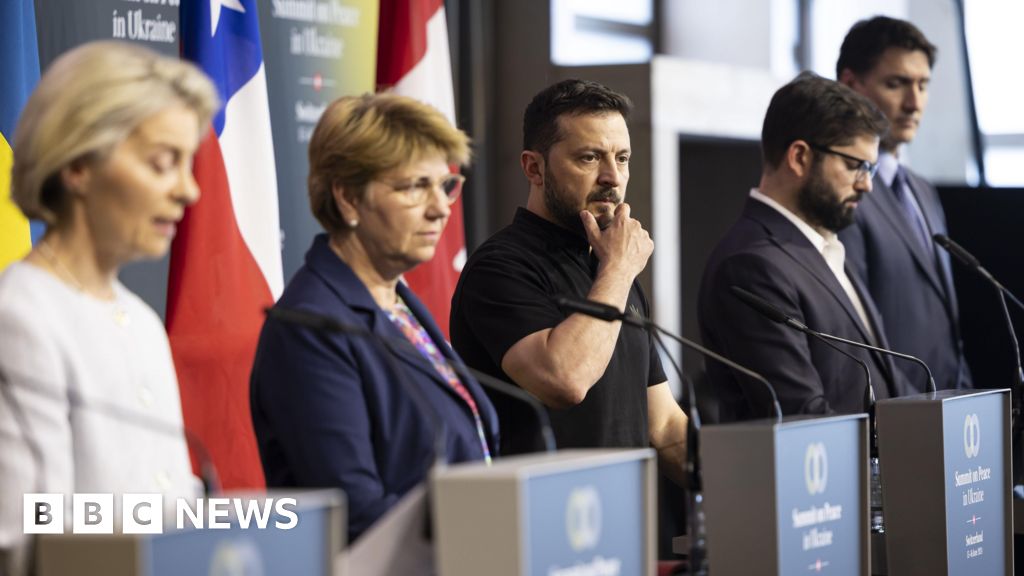
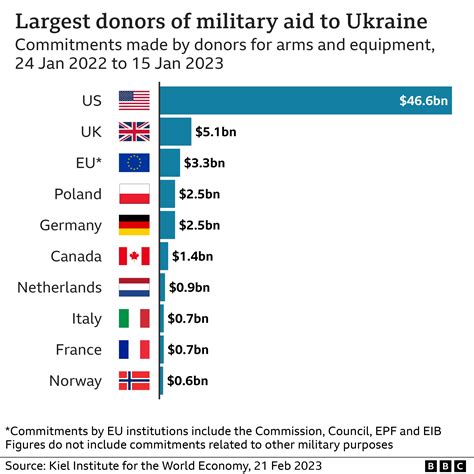
The proposal faces resistance from key member states, including Germany, France, and Belgium, which argue that tapping into the principal could violate legal frameworks and destabilize confidence in the euro. Meanwhile, EU Commission President Ursula von der Leyen has advocated for the initiative, calling it essential to sustain Kyiv’s operations as U.S. aid diminishes.
A separate approach under discussion involves establishing a specialized entity to manage the loans, potentially allowing non-EU nations to participate. However, critics warn that such measures risk legal and geopolitical repercussions. Moscow has reiterated its stance, stating any attempt to access the funds would face “unacceptable consequences.”
The plan underscores deepening divisions within Western alliances as pressures mount to address Ukraine’s financial needs amid shifting global priorities.