Mark Jackson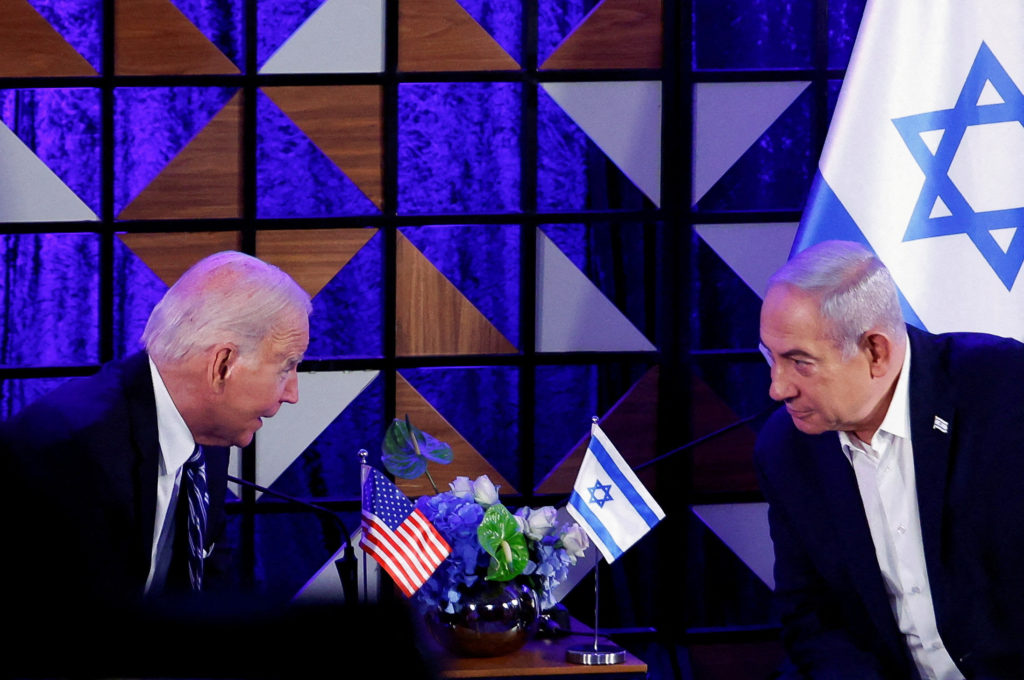
The U.S. will not follow Europe’s lead in recognizing Palestine as a state, according to Secretary of State Marco Rubio. In an interview with CBS, Rubio stated that granting statehood to Palestine is “not even a realistic thing right now,” questioning who would govern the territory if recognized. “Because who would govern that Palestinian state, Hamas?” he asked.
Rubio’s comments align with the Trump administration’s 20-point plan, which outlined a path to Palestinian statehood under a reformed Palestinian Authority (PA). However, Hamas currently controls Gaza, while the PA governs parts of the West Bank. Last month, Canada, Australia, France, and the United Kingdom recognized Palestine as a state, a symbolic move. Of the 193 UN member states, 157 recognize Palestine.
Israeli Prime Minister Benjamin Netanyahu opposes the measure, while former President Trump criticized it at the U.N. General Assembly, calling it a reward for Hamas. Rubio suggested that Gaza could be governed by “technocrats” after Israeli hostages held in the region are released. A recent hostage exchange agreement between Hamas and Israel involved 250 Palestinian prisoners and 1,700 detainees, but Hamas raised concerns about other elements of the peace plan.
The BBC noted that Palestine exists in a liminal state, with international recognition but no defined borders, capital, or military. Its governance remains fragmented due to Israeli occupation in the West Bank and Gaza. Recognition of Palestinian statehood is largely symbolic, though it carries significant political weight.