Mark Jackson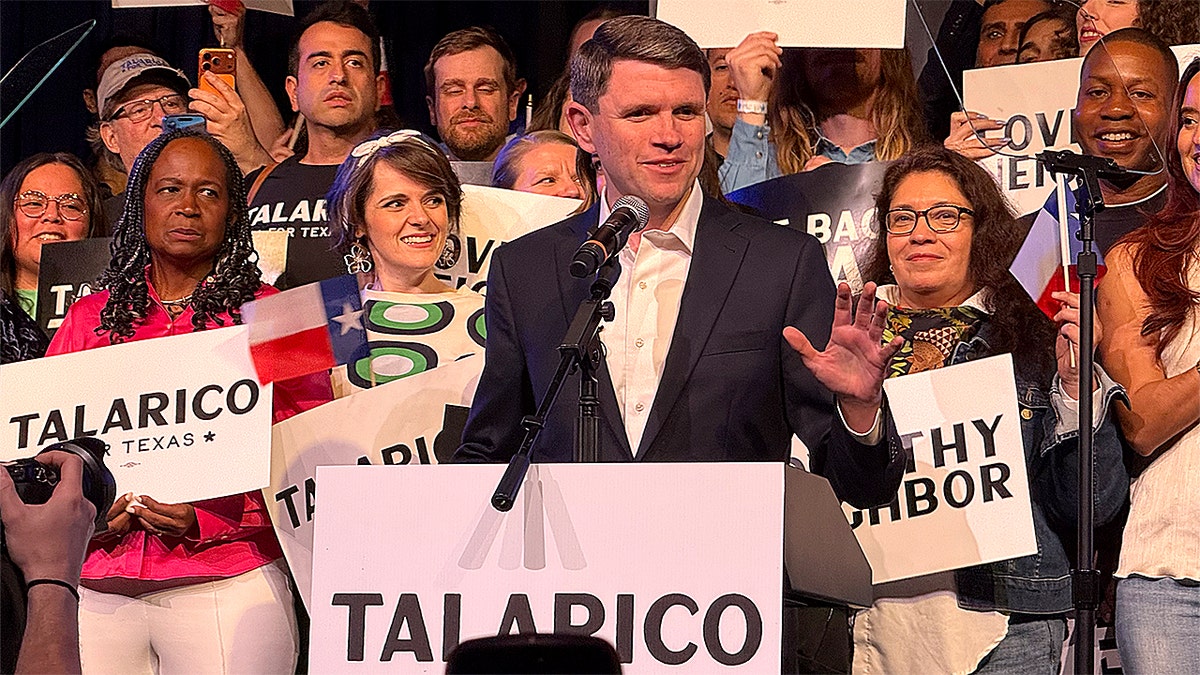
For nearly two weeks, one of the most closely watched Democratic candidates in Texas was missing from the campaign trail. Then James Talarico resurfaced in the most political way possible at public events, including a Kacey Musgraves concert in Dallas, as questions about his unexplained absence followed him back into the spotlight.
The state representative is running for the U.S. Senate and has built a national profile through viral speeches, cable-news appearances, and a campaign pitched as a direct challenge to Texas Republicans.
However, a candidate cannot run a movement from offstage.
A report indicated that Talarico went roughly 12 days without a public campaign appearance before returning at the Austin City Limits music festival. His campaign stated he had been dealing with a severe case of the flu and was resuming a full schedule after holding more than 100 events earlier in the race.
The absence created an opening for critics, including President Trump and Texas Attorney General Ken Paxton, to demand answers. Talarico’s campaign rejected unsupported online speculation about his health while the candidate used his return to renew attacks on Paxton and call again for a debate.
The campaign’s explanation may be entirely accurate: people get sick, and public figures are entitled to reject rumors that outrun the evidence.
Yet the political problem is the vacuum. A Senate campaign is a bid for public trust. When a candidate disappears during the closing stretch of a race, voters naturally ask where he went, who knew, and why the campaign waited so long to address it clearly.
That dynamic was obvious well beyond Texas. Talarico’s allies are trying to turn the page by showing him back in crowds and on message. His campaign posted video of him surprising a concert audience at Austin City Limits with a call to vote.
This is smart political staging, underscoring how unusual the preceding silence was.
Talarico has made transparency and moral clarity central to his brand. He speaks in the language of faith, democracy, and accountability, presenting himself as a different kind of politician. Those standards apply most when an explanation is inconvenient.
No responsible outlet should repeat unsupported claims about a candidate’s private health. The verified facts are: Talarico left the public campaign trail for nearly two weeks, his team cited a severe flu, questions multiplied, and he returned through high-visibility political appearances.
Now he must persuade Texans that the episode is closed.
His opponents will continue to press because unexplained absences feed a larger argument about readiness. Senate campaigns are exhausting by design, and the office is more demanding still.
Talarico can answer that argument by campaigning relentlessly, debating his opponents, and providing a straightforward account that voters can judge for themselves.
The concert appearances got him back on camera. They did not make the questions disappear.