Mark Jackson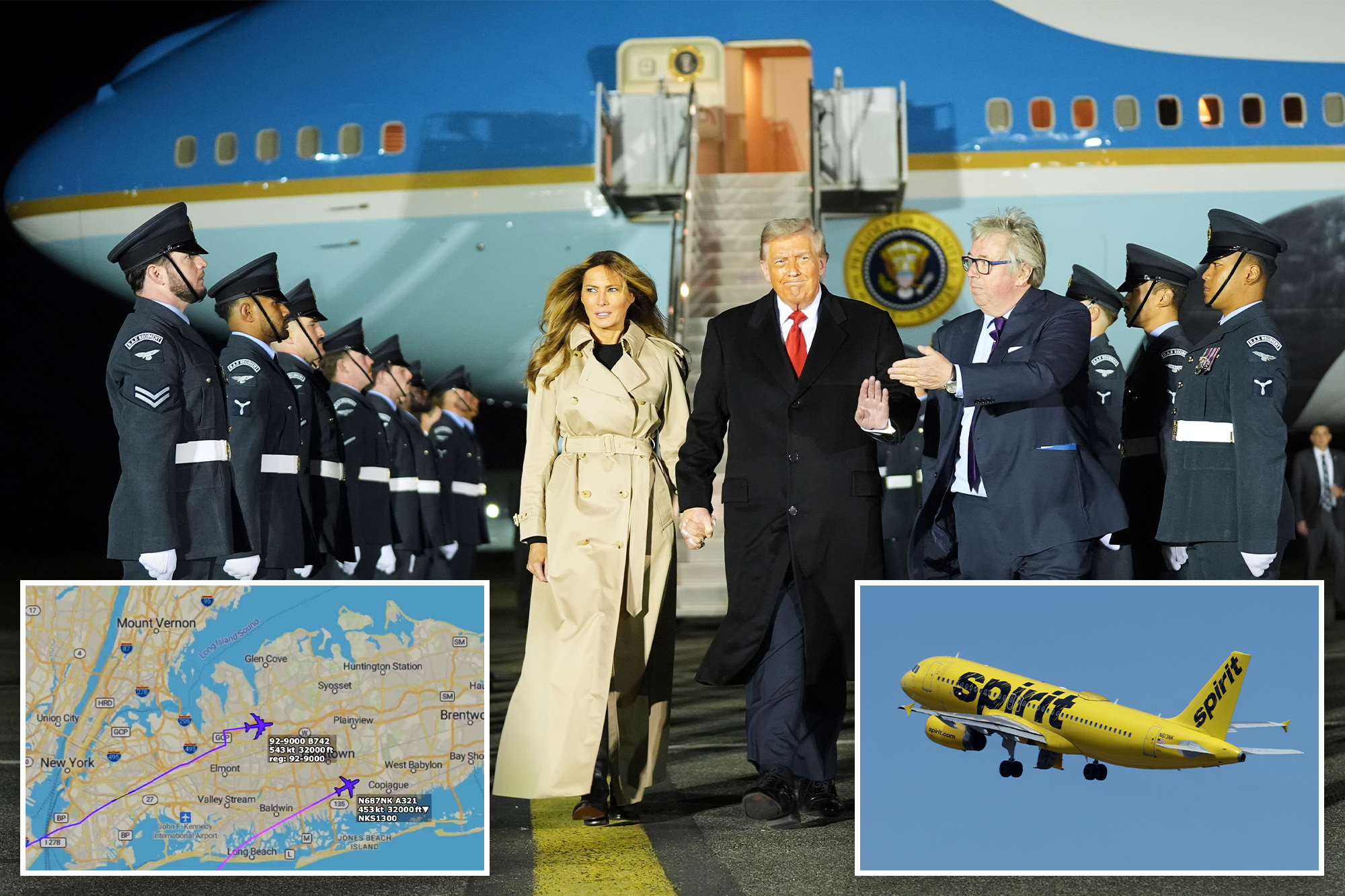
A critical moment unfolded when an Air Traffic Controller intervened to prevent a possible collision between Air Force One and a Spirit Airlines flight during President Donald Trump’s journey to Britain. The incident occurred shortly after the presidential plane departed Washington, D.C., heading northeast over New York.
At cruising altitude of 32,000 feet, Air Force One was reportedly 8 miles away from the Spirit Airlines aircraft, which was flying at the same altitude on a trajectory that could have led to a collision. The Controller repeatedly urged the pilot to adjust course, growing frustrated with the lack of response. Audio recordings captured the tense exchange, highlighting the stark contrast between the professionalism of Air Force One’s crew and the apparent disregard of the Spirit Airlines pilot.
Flight tracking data suggested the planes’ paths would have converged within 11 miles, raising concerns about the proximity. While the airline later stated its flight adhered to procedures and landed safely, questions lingered about the potential risks. The incident underscored the importance of vigilance in aviation, as even minor miscalculations at high speeds could lead to catastrophic outcomes.
President Trump arrived in London unscathed, but the episode sparked debate over whether the Controller’s actions were warranted or overly cautious. The situation served as a stark reminder of the delicate balance required to ensure safety in airspace shared by commercial and governmental aircraft.