Mark Jackson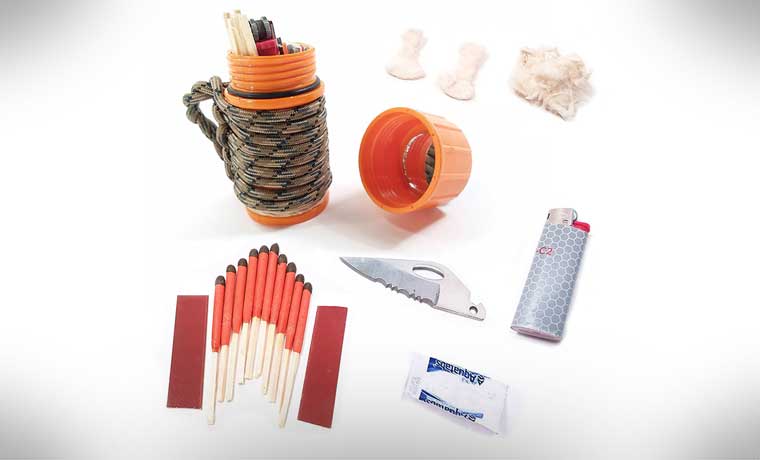
In an era of escalating natural disasters, power outages, and unpredictable emergencies, the ability to start a fire remains a critical survival skill. Whether facing winter storms, camping mishaps, or prolonged blackouts, reliable fire-starting methods can mean the difference between warmth and safety or vulnerability. Fortunately, inexpensive, efficient fire starters can be crafted from common household items like cardboard, wax, dryer lint, and wine corks.
Fire starters such as matches, lighters, and ferrocerium rods are vital for preppers, ensuring ignition for survival needs like warmth, cooking, signaling, and morale during crises. A successful fire requires three elements: an ignition source, a material to catch and amplify flame, and sustainable fuel. While commercial options exist, DIY alternatives are often cheaper, effective, and made from everyday items. Below are six methods to create dependable fire starters for emergencies.
One technique involves cutting cardboard into strips and soaking them in melted wax, producing slow-burning, quick-igniting sticks. These can be stored in sealed bags for dryness. Another method uses Q-Tips coated in Vaseline, which act as accelerants when exposed to flame. Cotton balls serve as an alternative. Repurposing egg cartons with dryer lint saturated in wax creates portable fire starters. Wine corks soaked in rubbing alcohol become highly flammable, offering a reliable flame for campers or those with limited supplies.
Char cloth, made by charring cotton fabric in a sealed tin over coals, catches sparks instantly, ideal for flint-and-steel methods. Hand sanitizer, rich in alcohol, can ignite when applied to paper balls, providing a base for larger fires. Experts advise having multiple fire-starting methods in key locations—home, car, and survival kit—to ensure readiness.
Mastering these techniques could prove lifesaving, offering warmth and security during disasters. Preparation now ensures families remain protected when emergencies strike.