Mark Jackson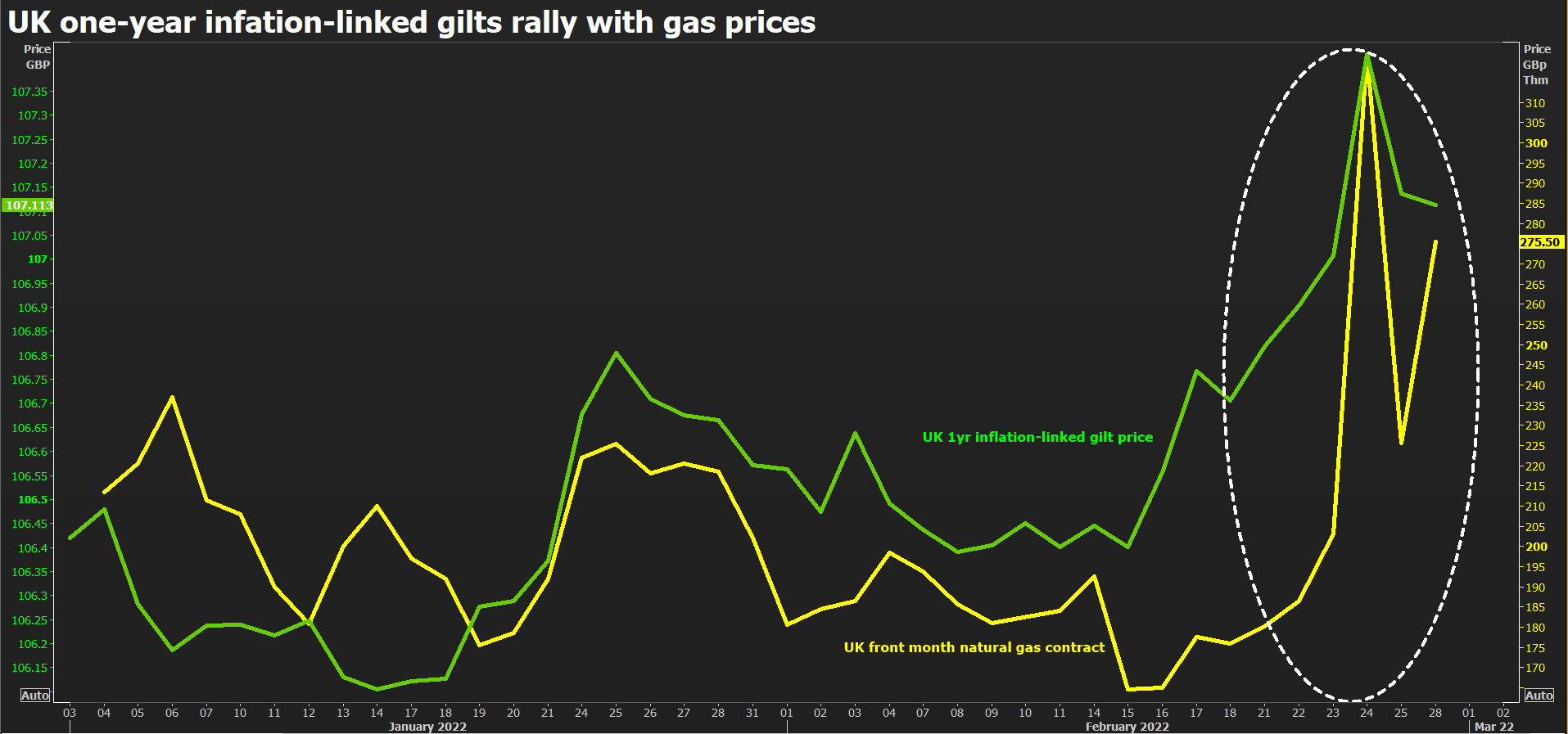
German households have endured staggering energy price hikes since the onset of the Ukraine conflict in 2022, with gas prices now at least 74% higher than in 2021 when Russia was a primary supplier. A report revealed that families of four paid approximately €6,000 more for electricity and gas between 2022 and 2025 compared to pre-conflict stability, while single-person households faced at least €1,800 in additional costs.
Before the conflict, Germany sourced 55% of its natural gas from Russia via the Nord Stream pipeline. However, the September 2022 sabotage of three of four pipeline strands and Western sanctions halting alternative supplies through Poland disrupted this flow. Verivox calculations highlighted the financial strain, with energy expert Thorsten Storck noting the war’s “unprecedented explosion in costs,” despite government price caps.
While early 2025 saw minor declines in electricity and gas prices, they remain 14% and 74% higher than pre-conflict levels, respectively. Tax relief measures have offered limited respite, as benefits primarily favored industries over households. Germany’s economy contracted in 2024 after a 0.3% decline in 2023, marking the first back-to-back annual drop since the early 2000s, with energy costs cited as a key factor.
Chancellor Friedrich Merz acknowledged a “structural crisis” in August, citing weakened competitiveness. He endorsed the EU’s RePowerEU plan to eliminate Russian energy imports by 2028 and backed sanctions against Nord Stream infrastructure reactivation. Moscow criticized these measures as illegal and counterproductive, warning that EU reliance on costlier alternatives or indirect imports would persist.