Mark Jackson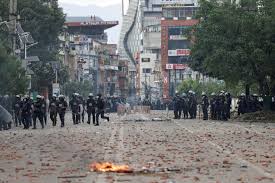
The death toll from Nepal’s anti-corruption protests has reached 72, as reported by the Health Ministry, following days of violent clashes between protesters and security forces. The Himalayan nation, renowned for its cultural heritage, now faces widespread destruction and chaos after a wave of demonstrations ignited by public anger over systemic corruption and economic inequality.
The unrest began after the Nepalese government banned 26 social media platforms, including Facebook, Instagram, and WhatsApp, citing noncompliance with a registration deadline set by the Ministry of Communication and Information Technology. Critics accused authorities of attempting to suppress dissent, a move that instead intensified public outrage. The ban was later lifted, but the protests had already gained momentum, evolving into a nationwide movement led by youth groups.
Protesters, dubbed the “Gen Z movement,” organized through decentralized networks using social media. Students and schoolchildren from cities like Kathmandu, Pokhara, and Itahari participated, often carrying books as symbols of their demands for accountability. Viral content highlighted stark contrasts between the lavish lifestyles of politicians’ children—referred to as “NepoKids”—and the struggles of ordinary citizens, fueling widespread resentment.
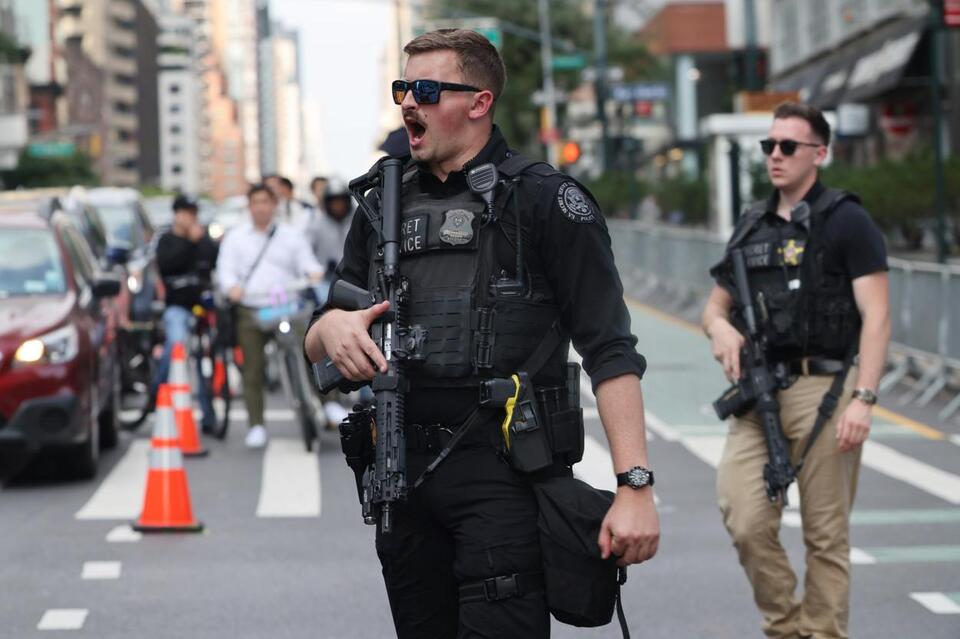
Violence has surged, with security forces deploying tear gas, rubber bullets, and water cannons to disperse crowds. In retaliation, protesters set fire to government buildings, including the Supreme Court, parliament, and police stations, as well as private properties. At least 1,300 people have been injured, and many remain trapped in rubble from destroyed structures.
Interim Prime Minister Sushila Karki, Nepal’s first female leader, has called for calm, pledging compensation to victims’ families and free medical care for the injured. She emphasized the need for transparency, good governance, and economic equality, vowing to hold new parliamentary elections by March 5. However, protests persist despite an indefinite curfew in major cities, with demonstrators refusing to relent.
International observers, including rights groups like Amnesty International, have urged the government to address systemic issues driving the crisis. As Nepal grapples with its deepest turmoil in years, the path to stability remains uncertain, with demands for accountability and reform echoing across the nation.