Mark Jackson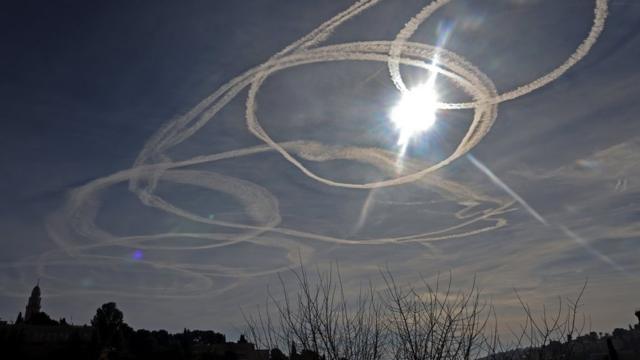
The discussion around atmospheric spraying has gained traction, with some high-profile individuals expressing skepticism about its implications. Former President Trump and others have commented on the phenomenon, sparking debates about transparency and public awareness. Reports highlight efforts by governments to address climate challenges through methods like cloud seeding, which involves dispersing substances into clouds to enhance precipitation.
Recent coverage includes a National Center of Meteorology initiative in Dubai, where operations aimed at boosting rainfall were conducted. Experts have noted that weather modification techniques, such as introducing silver iodide or dry ice into clouds, are employed globally to combat water shortages. However, the long-term effects and potential risks of these practices remain subjects of debate.
Discussions also touch on broader scientific concepts like solar geoengineering, which explores ways to reflect sunlight to mitigate global warming. While some advocate for these measures as solutions to environmental crises, critics argue that such interventions could have unforeseen consequences. The conversation underscores the need for public education and critical evaluation of atmospheric activities, urging individuals to observe their surroundings and question the narratives presented by authorities.
The article emphasizes the importance of vigilance, suggesting that phenomena like persistent aerial trails may warrant closer scrutiny. It encourages readers to consider multiple perspectives and seek out reliable information to form their own conclusions about these complex issues.