Mark Jackson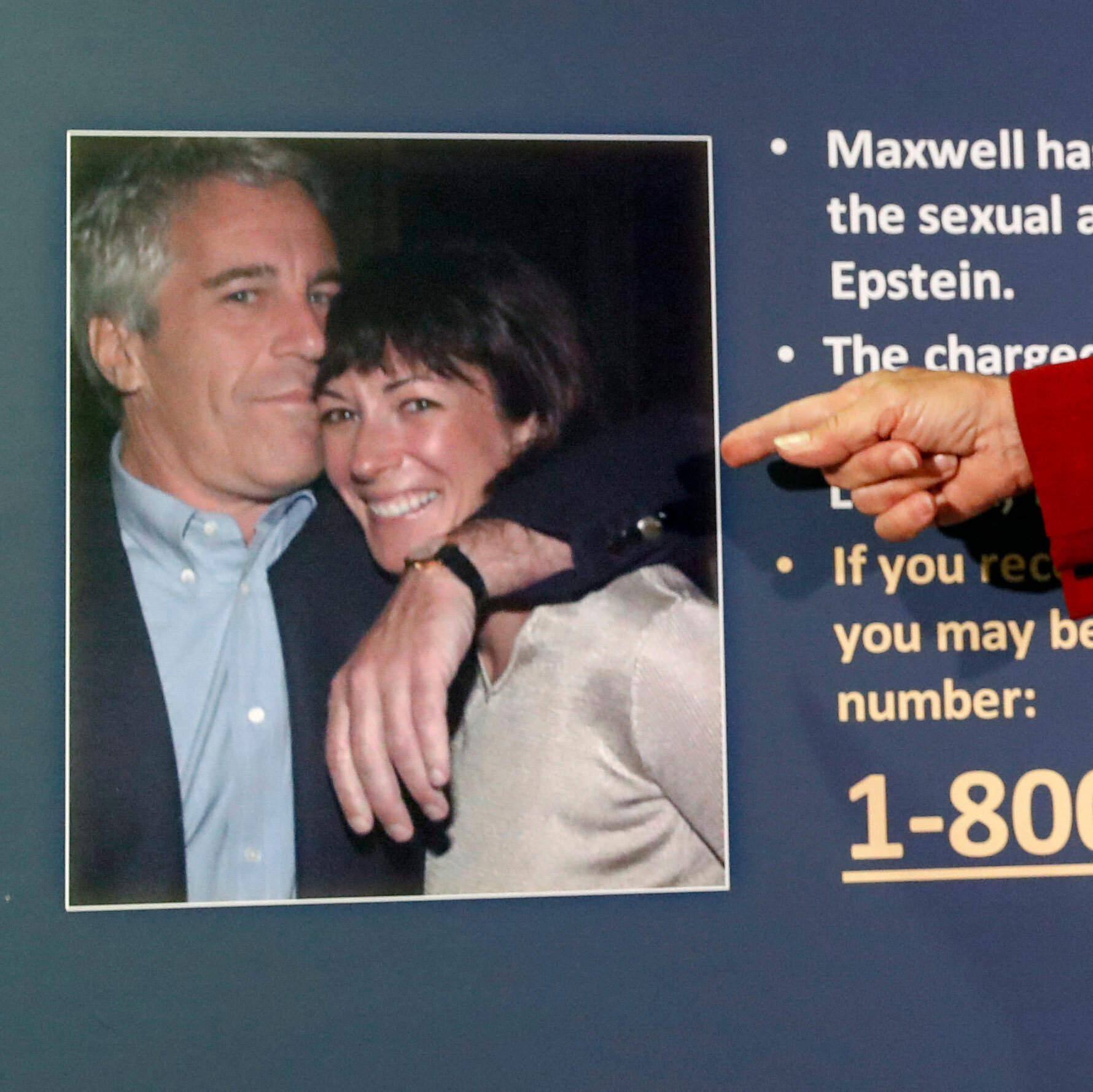
The Supreme Court on Monday upheld Ghislaine Maxwell’s criminal conviction for her role in recruiting and grooming teenage girls for sexual abuse by Jeffrey Epstein. Maxwell had sought to overturn the verdict, claiming she should have been protected from prosecution under a plea agreement Epstein struck with authorities. Her 20-year sentence remains in effect.
Maxwell’s lawyer, David Oscar Markus, argued in court documents that a nonprosecution deal Epstein made with the former U.S. attorney for the Southern District of Florida, Alex Acosta, should have shielded her from prosecution on one of three counts in her New York case. “We’re deeply disappointed the Supreme Court declined to hear Ghislaine Maxwell’s case,” Markus said in a statement. He added that legal and factual issues persist and vowed to pursue all available avenues for justice.
The appeal centered on whether the terms of Epstein’s nonprosecution agreement applied only within the district where it was negotiated or bound federal prosecutors nationwide. The Justice Department opposed the appeal, noting that under internal policies, any expansion of the deal beyond Florida would have required approval from higher authorities—a step not documented in records.
Epstein’s 2008 plea agreement involved him pleading guilty to two state prostitution charges and serving an 18-month sentence in exchange for avoiding federal charges. The deal included a co-conspirators clause, promising immunity for four of his assistants. However, officials later called the provision “highly unusual,” with some prosecutors suggesting it was intended to protect only Epstein’s direct associates, not broader networks.
Epstein was later indicted on federal sex trafficking charges in New York, leading to his death in 2019 while awaiting trial. Acosta, who negotiated the original deal, resigned as labor secretary amid scrutiny over his handling of the case.