Mark Jackson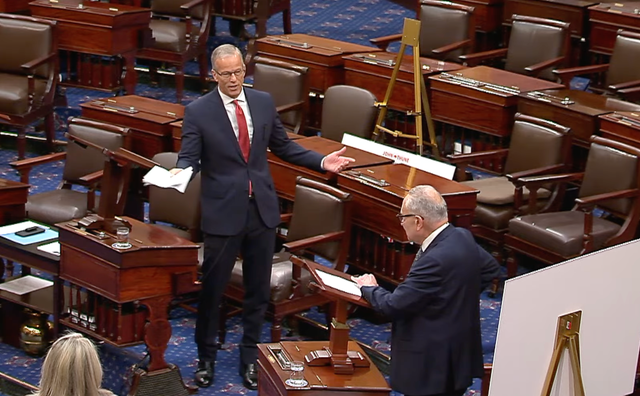
The news of a potential government shutdown has dominated headlines as Democrat lawmakers refuse to negotiate with Republicans. Lawmakers have until midnight Wednesday to pass a funding extension, or the government will shut down. Congressional leaders returned to Washington, D.C., on Monday, and are set to meet with President Donald Trump to discuss funding the government. However, both sides have blamed each other for the impasse.
A government shutdown occurs when Congress cannot pass all 12 appropriations bills or a continuing resolution to maintain current funding levels. Since 1980, there have been 10 shutdowns, with three occurring since the 2000s. This potential shutdown could be more severe than previous ones, as the administration has ordered mass firings of federal workers. Programs like Medicare, Social Security, and Medicaid will remain operational, but federal employees may face unpaid furloughs, with agencies like the IRS and Small Business Administration experiencing reduced services.
The Office of Management and Budget directed agencies to issue reduction in force notices for employees in programs without funding, regardless of their status during the shutdown. Vice President JD Vance stated a shutdown may be unavoidable, citing Democratic resistance to necessary measures. House Minority Leader Hakeem Jeffries and Senate Minority Leader Chuck Schumer confirmed significant disagreements remained after meetings with Trump. Both parties continue to assign blame for the impending closure.