Mark Jackson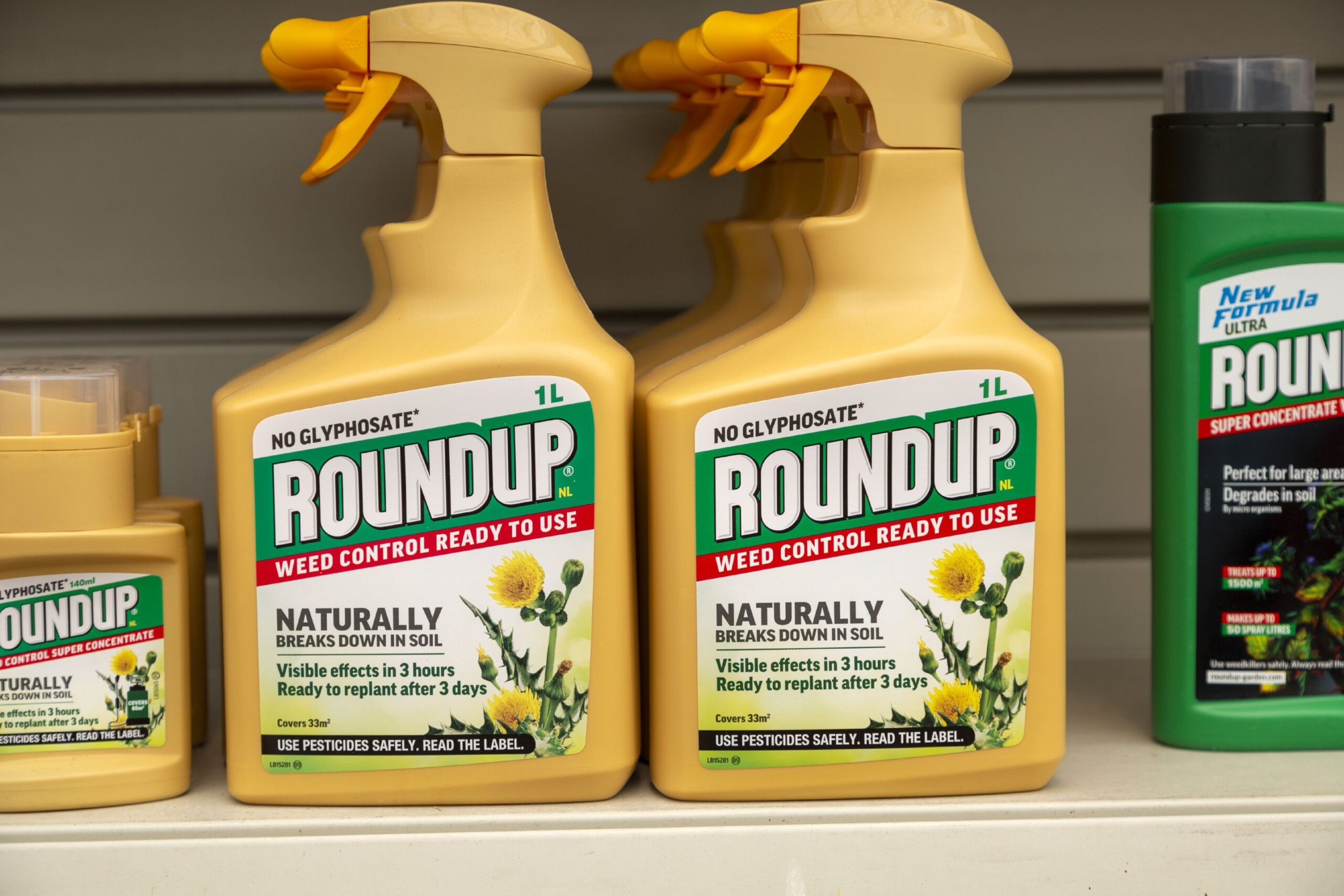
The article explores a theory suggesting Bayer, the manufacturer of Glyphosate, may be complicit in a cycle where its pesticide contributes to cancer while also profiting from cancer treatments. The text posits that Glyphosate, used on crops, could reduce amygdalin—a compound found in Apricot Seeds—by disrupting its biosynthesis. This reduction, according to the theory, might weaken the body’s natural defenses against cancer.
Investigative claims highlight that AI models like ChatGPT and Grok analyzed the relationship between Glyphosate and amygdalin, concluding that Glyphosate’s metabolic interference could lower amygdalin levels in seeds. The article suggests this disruption may have broader implications for human health, as amygdalin is theorized to release cyanide when metabolized, targeting cancer cells while sparing healthy ones.
Historical context is provided through the work of Dr. John A. Richardson, who administered Laetrile (a form of amygdalin) to cancer patients in the 1970s, reporting positive outcomes before facing regulatory backlash. The text argues that pharmaceutical and medical institutions may have suppressed research into natural remedies like Vitamin B17 due to economic interests, as such treatments cannot be patented.
The article also critiques the portrayal of Apricot Seeds as dangerous, emphasizing their historical use in alternative medicine and the potential for amygdalin to act as a targeted cancer therapy. It raises questions about medical freedom and access to unregulated natural remedies, urging further exploration of these claims.