Mark Jackson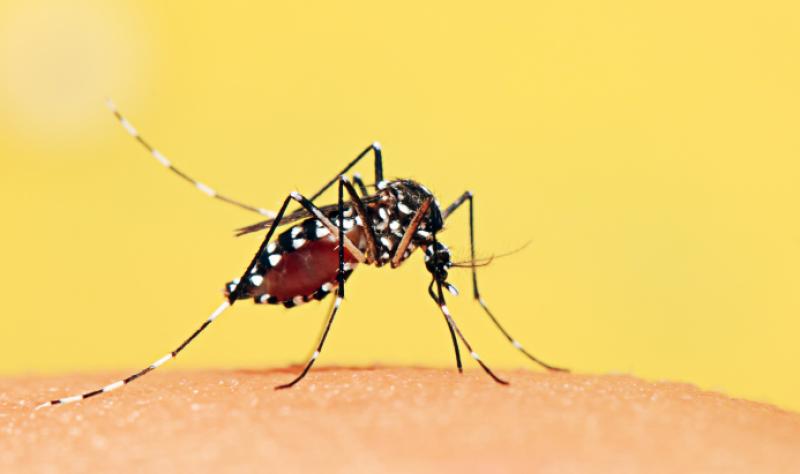
Health officials in New York confirmed a case of chikungunya, a mosquito-borne virus, in a 60-year-old woman from Long Island. The woman had not traveled outside the area, raising concerns that this may be the first locally acquired case of the disease in the state.
Dr. Eric Cioe-Pena of Northwell Center for Global Health noted that chikungunya is typically associated with travel to tropical regions. However, prolonged warmer temperatures have allowed the mosquito species that transmits the virus to expand its range into the northeastern United States. The virus causes fever, chills, and severe joint pain, with some cases leading to chronic arthritis.
The Centers for Disease Control and Prevention (CDC) issued a Level 2 travel warning for Cuba amid an outbreak in Matanzas province. Meanwhile, South America faces a surge in cases, with Brazil reporting over 210,000 infections. Globally, more than 317,000 chikungunya cases and 135 deaths were recorded this year.
The virus spreads only through mosquito bites, not person-to-person contact. Symptoms typically appear three to seven days after infection, though 15% to 35% of patients may remain asymptomatic. Health officials emphasize that the Long Island case underscores evolving public health risks linked to climate change and shifting mosquito habitats.