Mark Jackson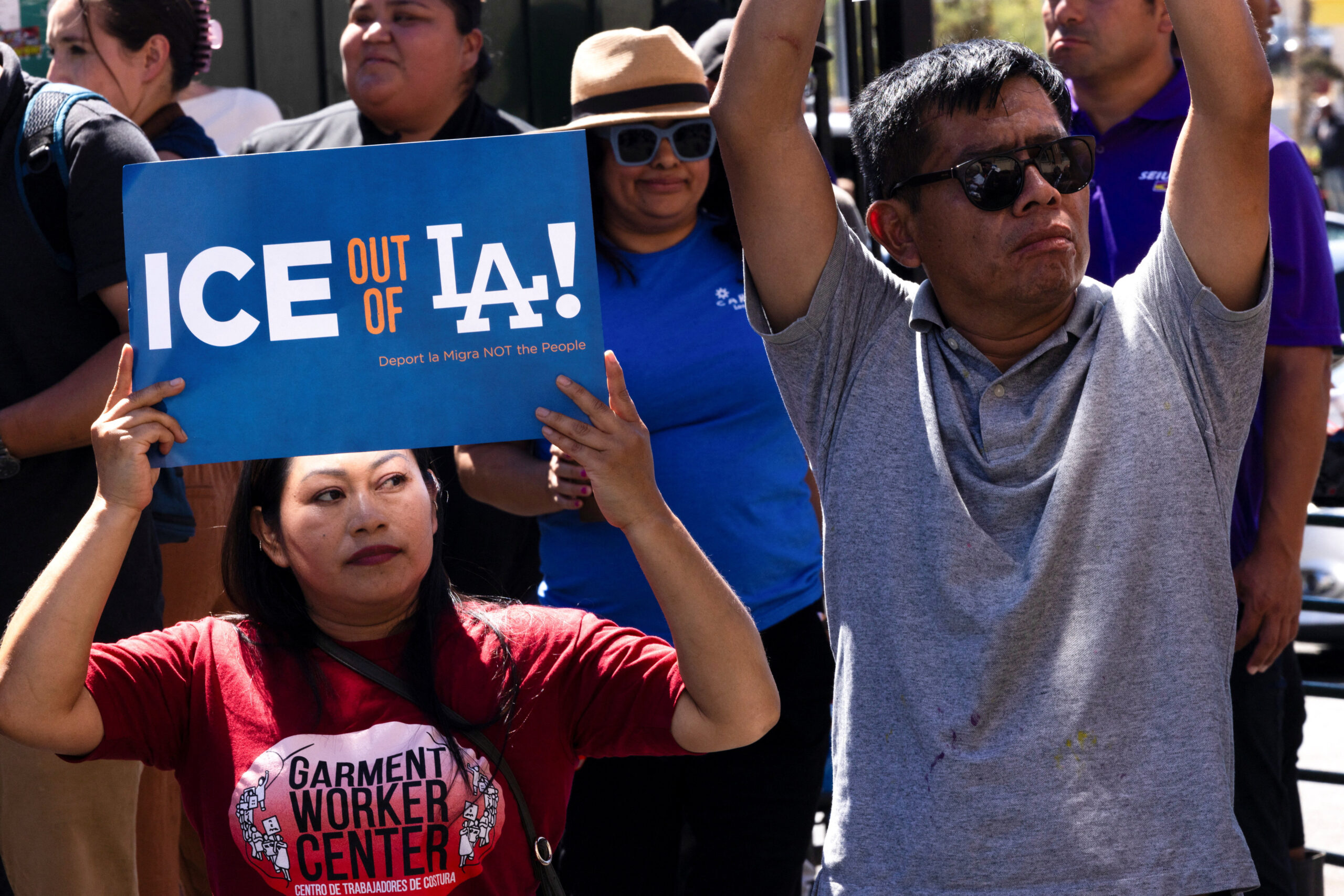
The Supreme Court has once again sided with the Trump administration, allowing President Donald Trump to revoke temporary legal status for thousands of Venezuelan migrants granted under the Biden government. The 6-3 ruling halted a lower court’s attempt to block the Trump administration’s emergency request, enabling the potential deportation of hundreds of thousands of individuals who entered the U.S. unlawfully.
The decision centers on Temporary Protected Status (TPS), a program that allowed Venezuelans to remain in the country after being granted legal status by the Biden administration. The Supreme Court’s order now clears the way for Trump officials to reverse this decision, citing procedural issues with how Homeland Security Secretary Kristi Noem handled the revocation of protections.
Justice Ketanji Brown Jackson, a liberal justice, strongly opposed the ruling, criticizing the court for repeatedly supporting the Trump administration’s actions. In her dissent, she argued that the decision “disrupts as many lives as possible, as quickly as possible,” calling it a misuse of the court’s emergency powers. Jackson has consistently challenged the court’s willingness to intervene in cases involving the Trump administration, a pattern she has highlighted in previous rulings.
The case originated after U.S. District Judge Edward Chen, appointed by President Barack Obama, ruled against the Trump administration’s efforts to revoke TPS for Venezuelans. The lower court cited Venezuela’s instability and risks to travelers, including “wrongful detentions, terrorism, and civil unrest.” However, the Supreme Court’s latest decision has stalled further action, leaving the fate of affected migrants in limbo.
The ruling underscores ongoing tensions between the judiciary and executive branches over immigration policy, with liberal justices decrying what they see as an undue influence of conservative interests. Meanwhile, the Trump administration continues to push for stricter immigration enforcement, framing its actions as necessary to uphold legal boundaries.